










































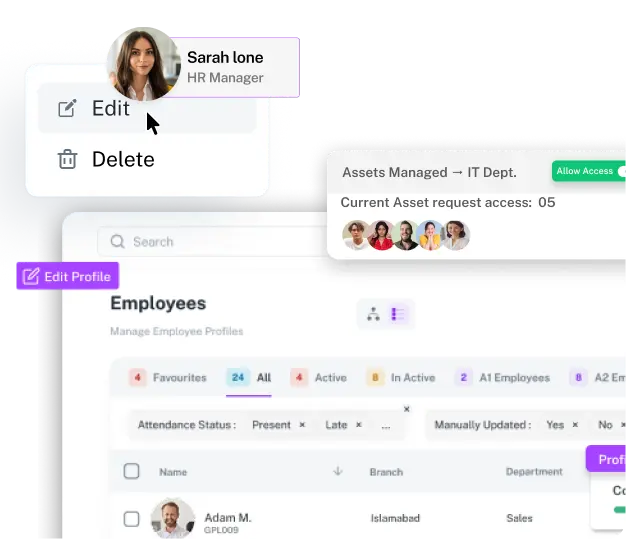
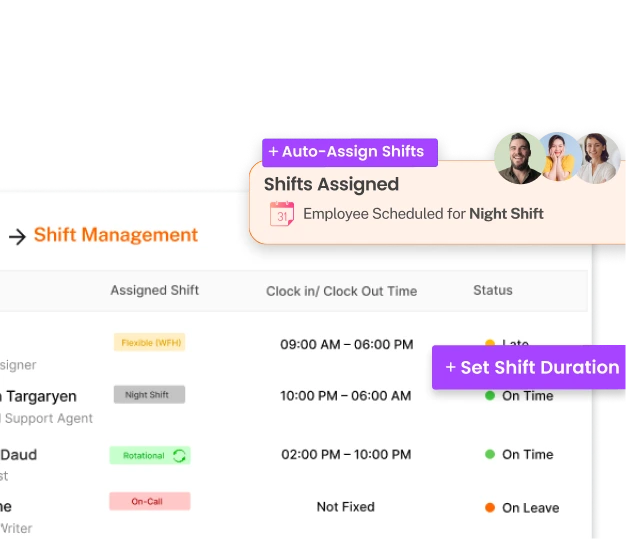
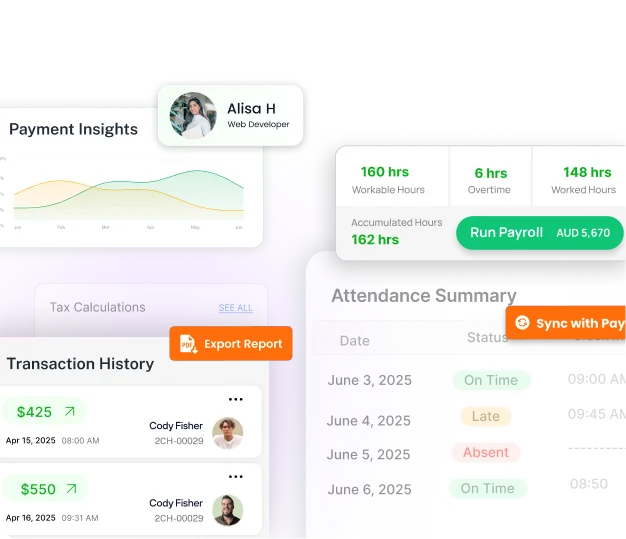


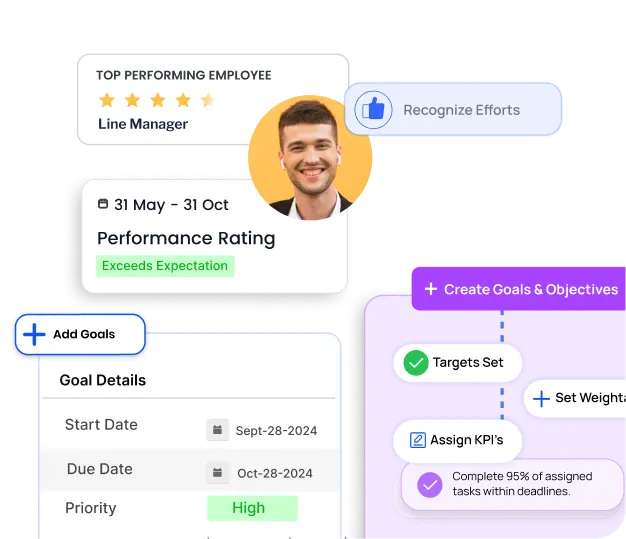









































Payroll Process is a critical function in any organization, ensuring that employees are compensated accurately and on time. The payroll processing cycle, its importance, and best practices for efficient payroll management are some areas that we will break down in this article. With the rise of technology, majority of the companies are now taking advantage of payroll processing software and automatic data processing payroll systems to enhance accuracy and efficiency. Understanding the full scope of the payroll processing services can significantly impact a company’s operational success.
What is the Payroll Process?
The payroll process can be defined as the administration of employee financial records which includes salaries, bonuses, deductions, and net pay. It consists of all the processes mandatory to manage employee compensation efficiently. Payroll processing follows compliance with different taxes and regulations. While conducting payroll processes either manually or automatically, there needs to be sure that no error occurs as even a small mishap can result in financial discrepancies or legal issues. With a large workforce, many companies are now moving towards automation. This is why large enterprises especially favor opting for companies that provide payroll management systems such as the payroll module of HRMS.
Importance of Efficient Payroll Management
According to Forbes, error-free payroll management is essential for several reasons. Read on to learn more about it:
- Employee Satisfaction: Employee morale gets a boost when there is a timely dispersal of payments. Employees who receive their pay without delays feel more valued and engaged with the company.
- Legal Compliance: With punctual tax laws adherence helps prevents costly penalties. Non-compliance will always lead to audits and fines resulting in loss of finances for the company.
- Financial Planning: Error-free payroll data promotes budgeting and forecasting. With effective tracking of payroll expenses, companies can make informed decisions regarding hiring, raises, and benefits.
Understand the Payroll Processing Cycle
There are multiple phases typically involved in a payroll cycle. Below are the three main steps:

1. Data Collection:
Gather hours, salaries, and deductions for the employees. This involves collecting relevant information from timecards, systems indicating attendance, and employment contracts. You need to ensure that all information updated in the system is current and that any effective changes in employment status promotions or terminations are accurately recorded in the payroll system.
Data collection for overtime hours or bonuses is a crucial step for gross pay calculation. Thus, accomplishing this by using automatic data collection systems will reduce manual errors and make the process easier on them while making sure all the information needed is indeed available for payroll processing.
2. Calculations:
Calculating gross pay, deductions, and net pay should be highly accurate to preclude any errors. It also means the actual application of correct formulas in determining the earnings of each employee, which may be in the form of hourly rates or salaries and can even involve certain bonuses or commissions. On the other hand, it’s also crucial to calculate the deductions properly, either referred to as State and Federal taxes, Social Security, Medicare, and other benefits such as health insurance or retirement contributions.
Calculation discrepancies may amount to financial discrepancies that might interfere with employee satisfaction or involve some aspect of litigation. Employing payroll processing software can make calculation easy, as it allows automation, provides a considerable degree of accuracy, saves much time, and reduces human errors.
3. Disbursement:
The last step is disbursement, which has to be done with a great deal of perfection to gain confidence. The funds transfer is to be made through direct deposit, checks, or payroll cards, depending upon employee preference. No delay should be experienced in payment dispatch; this may cause frustration among staff members and lower morale.
Also, pay slips showing earnings and deductions should be provided to the employees for clarity. Communication regarding pay schedules and methods can be one of the oft-repeated ways in which more confidence can be built between an employer and an employee, looking forward to a good workplace culture.
Understanding each phase of the payroll cycle helps businesses identify areas for improvement and implement more efficient practices. Many organizations now utilize HRMS payroll systems to streamline this cycle, ensuring that all aspects are managed flawlessly.
Key Stakeholders in Payroll Processing
The payroll process impacts some key stakeholders that are mentioned below:
- HR Managers
- Payroll Administrators
- Finance Departments
- Employees
Each of the above stakeholders plays a major role in ensuring that the payroll process runs smoothly. For example, HR managers are responsible for maintaining error-free employee records, on the other hand, payroll administrators handle the actual calculations and disbursements.
The communication process between these stakeholders establishes a successful payroll process with no errors and compliance with regulations. What do we understand with this statement? Communication is always a key element for perfection in the payroll process.
10 Important Steps of the Payroll Process
Here are the steps involved in the payroll process:
Step 1: Review the Company’s Tax Policy
Having a complete understanding of federal, state, and local tax policies is critical for compliance. Each of these jurisdictions has different requirements that can change the total payroll calculations.
To follow the current laws and regulations, companies need to update their tax policies as per requirements. This step is particularly important for businesses operating in multiple states or countries where tax laws may vary significantly.
Step 2: Collect Employee Tax Information
Additionally, collecting tax information is necessary to complete forms/documents to process their paycheck. Employers should also keep track of any changes in employee status that can result in tax situations throughout the year. This is a very important step that can help to avoid any delays in the payroll process of the employee.
Step 3: Set Up a Payroll Schedule
Weekly, bi-weekly, or monthly schedules of your business of the payroll process are vital for maintaining cash flow and employee satisfaction. Keep in mind that each of the options has its advantages and disadvantages. For example, more frequent pay periods can enhance the morale of the employees but add extra load on the administrative work. It’s essential to consider both employee preferences and operational capabilities when establishing this schedule.
Step 4: Finalize the Payment Methods of Employees
- Direct Deposit: This method is convenient for employees and reduces administrative costs.
- Checks: This is a traditional method but can add extra handling costs.
Offering a variety of payment options can meet different employees’ preferences and increase the overall satisfaction of the payroll process. Companies should also inform the employees well on how to choose their desired payment option.
Step 5: Develop a Payroll Policy
A comprehensive payroll policy would include the following:
- Payment schedules
- Overtime rules
- Benefit deductions
Such policies ensure consistency in the processing of payroll transactions within an organization. Besides that, a documented policy can be referred to during disputes or audits, adding to the compliance of an organization with labor laws.
Step 6: Choose a Payroll Manager or Automate it through HRMS
Manual management versus payroll processing software decisions can greatly affect the efficiency of the company. The automated system minimizes errors and saves time; it offers real-time access to payroll data. The companies need to identify the cost of installing this system with the savings potential on labor hours and error minimization.
Procedure Step 7: Calculate Employee Gross Pay
Gross pay can be determined through manual calculation or using automated tools, considering the hourly rate or salaries and adding the bonuses. It is important for both the employee and employer to learn about gross pay determination, as it directly shows how much money an employee takes home and how much each pay period the employer will withhold in terms of taxes and deposits to benefits.
Step 8: Calculation of Deductions
Potential deductions would then include:
- Federal and state taxes
- Health insurance premiums
- Retirement contributions
It is, therefore an essential aspect of the company and should be handled with much attention in terms of legal issues and keeping faith in the workers. The policies related to deductions, therefore, need to be periodically reviewed by employers so that they mirror the current regulations and also correctly reflect the employee benefits.
Step 9: Calculate the Net Pay of Employees
This calculation ensures that workers receive their appropriate pay for work done after considering all deductions. Understanding the formula helps employees understand how their gross translates to take-home pay.
Step 10: Payments
This will ensure timely payment distributions, thus keeping the employees satisfied and content with the firm, which in turn is very important. It is up to a company to stipulate the time of disbursement and make effective and timely communication to all employees. Companies may use an automated disbursement technique that ensures that payments are not overdue.
Best Practices for Timely Payment Distribution
To guarantee timely payment distribution here are some of the practices that companies need to perform as best practices:
- Automate payroll process where possible.
- Maintain clear communication with employees regarding payment schedules.
- Regularly review payroll policies for compliance with current laws.
Implementing these best practices not only enhances operational efficiency. But, also strengthens employee relationships by fostering transparency and reliability in payment processes.
Common Challenges in Payroll Processing
During the payroll process, a company can face many technical or human error issues. Here are some of the major problems that occur across various industries:
- Errors in Calculations: Mistakes can lead to overpayments or underpayments.
- Compliance Issues with Tax Laws: Staying updated on changing regulations is essential to avoid any fines/penalties.
- Employee Discrepancies and Disputes: Clear communication can help avoid any misunderstandings between the employer(s) and employee(s).
Identifying and focusing on these challenges proactively through regular training sessions and audits can significantly improve overall payroll efficiency. This also plays a vital role in reducing stress during peak processing periods.
Top 7 Tips for Efficient Payroll Processing
Want some tips to improve the payroll process? Read below and make sure to integrate these into your company operations for better results:
- Stay Updated on Tax Regulations: Regularly review changes in tax laws to ensure compliance.
- Utilize Technology for Automation: Implementing payroll processing software can streamline operations.
- Maintain Error-free Records and Documentation: If your company data is accurate then during audits and compliance you avoid any mishaps.
- Clear Communication Process: Showing transparency during the payroll process helps to build trust with employees.
- Performing Regular Audits: Frequent audits help to identify any errors in the data.
- Training for Payroll Staff: Make sure that the staff is well-trained to prevent mistakes.
- Plan for Contingencies: Always prepare a backup plan for unexpected situations and disruptions.
By following these tips, organizations can optimize their payroll process, leading to greater efficiency and reduced stress during payroll cycles.
Conclusion
In conclusion, mastering the payroll process is vital for any organization aiming to maintain employee satisfaction and legal compliance. By understanding each step in the payroll lifecycle from data collection through disbursement. By implementing best practices such as utilizing technology like HRMS payroll, companies can streamline their operations while ensuring preventive measures for common challenges associated with payroll processing services.
As businesses continue to grow, staying informed about advancements in payroll processing systems will be key to achieving long-term success in managing employee compensation effectively.


