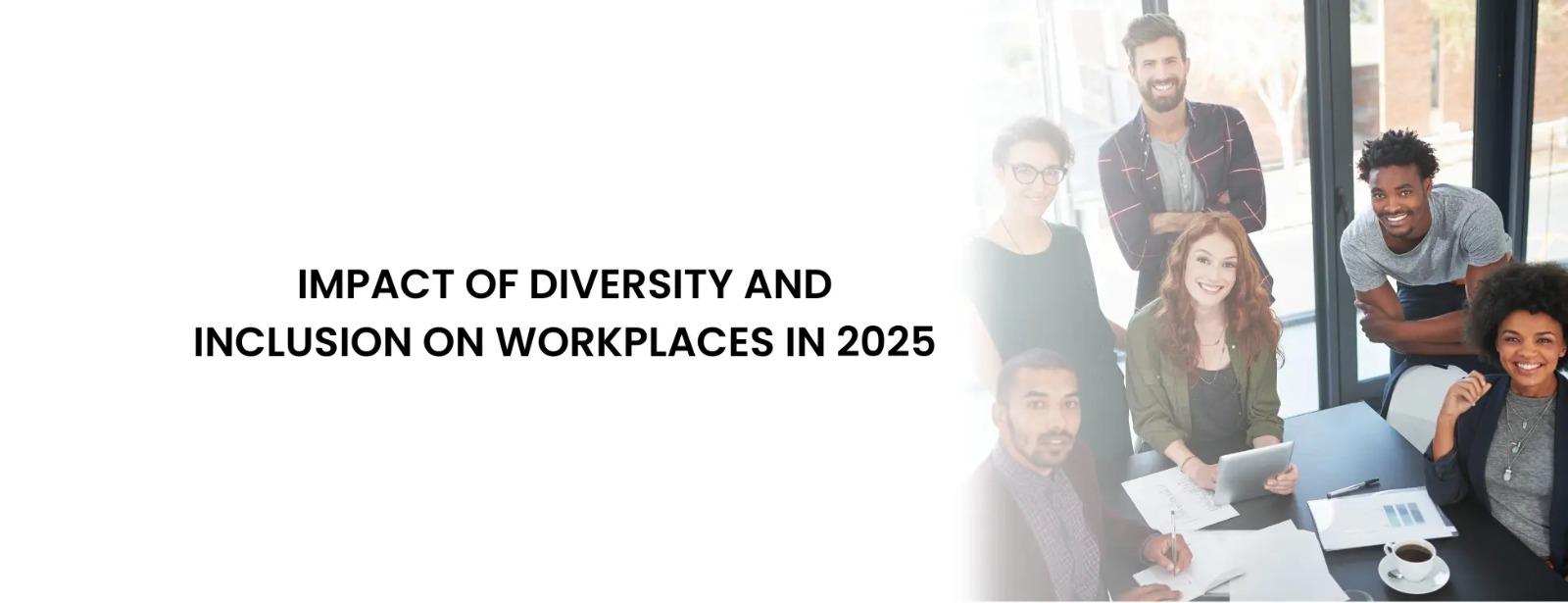

The year 2025 will mark the absolute necessity for companies to establish a diverse and inclusive workforce, as it becomes a fundamental business requirement. The present global trends reward organizations that focus on diversity and inclusion because they receive clear advantages. SHRM’s 2025 report shows that HR leaders place DEIB (diversity, equity, inclusion, and belonging) at the forefront because their organizations have multigenerational staff working in hybrid environments. Research published by McKinsey identified that businesses operate better when they maintain diverse and inclusive teams since these teams deliver enhanced productivity that ranges from 30% to 35%. HR professionals must meet Gen Z’s equity requirements by using AI in hiring to stay competitive in today’s market.
Organizations with a diverse and inclusive workforce achieve better financial results and employee engagement while accessing talent that represents their multinational customer base. An HRMS serves as an expert organization that helps businesses implement Diversity, Equity, Inclusion, and Belonging strategies to navigate current workplace shifts. The future requires organizations to take concrete measures for both creating an inclusive workforce and handling hybrid work challenges.
Why does a Diverse and Inclusive Workforce matter in 2025?
The rapidly changing 2025 business environment now requires diversity and inclusivity in the workforce as an essential business necessity beyond ethical considerations.
Organizations should embrace diversity and inclusion at their core because the competitive demands for high-quality talent and elevated societal expectations make it mandatory for business success. Organizations need to make this change because it leads to sustainable and successful business growth beyond following current trends.
1. Strategic Advantages of a Diverse Workforce
The combination of diverse employees leads to innovation because it unites different viewpoints and professional backgrounds. When employees work in an enriched environment, they generate creative solutions that develop stronger business strategies that are adaptable to market changes.
The increasing globalization of markets enables companies to better understand their diverse customer base through workforce diversity, which also enhances their market accessibility. Organizations dedicated to creating inclusive environments experience better success in their ability to attract and maintain high-performing employees.
The upcoming workforce of Gen Z job seekers in 2025 will base their employment decisions on workplaces demonstrating both diversity and belonging. Employee engagement and strong workplace culture become crucial elements during hybrid work since they ensure productivity.
2. Building Workplace Cultures based on DEI Metrics
Creating a diverse, inclusive workforce brings substantial obstacles in its path despite the evident advantages. Building a bias-free workforce that promotes psychological safety and ensures equal chances for everyone needs prolonged, focused work.
Practical solutions, together with innovative tools, prove essential for dealing with this situation. For example, you can use data-based DEI metrics to locate and fix gaps within their employee recruitment and progression processes, as well as salary distribution. To build an inclusive organization, companies must establish complete diversity training courses along with inclusive hiring procedures.
AI-based hiring systems will help various candidates obtain equal employment opportunities when applied carefully. Employee resource groups function as an excellent method to strengthen workplace inclusion.
3. Empowering HR for a Thriving Future
An HRMS serves as a valuable resource for organizations that want to develop equitable workplaces through advanced tools and insights for HR leaders.
Through Resourceinn, organizations gain access to diverse workforce management tools that help execute successful strategies to build environments that allow all employees to thrive. Diversity and inclusion should become a strategic business priority to achieve 2025 goals as well as establish enduring organizational success.
4. Enhancing Employee Engagement
Inclusion boosts morale. Study results from Gallup show that organizations achieve a 21 percent increase in productivity that stems from valuing their employees. The hybrid work environment of 2025 requires inclusive workplaces that enable equal performance between remote and office-based employees to minimize staff departures.
The inclusion of Gen Z employees in the workforce becomes crucial because this younger generation puts belonging first instead of traditional workplace benefits. Organizations that support employee resource groups, along with continuous feedback systems, develop better team unity. Solutions crafted by HR software enhance organizational environments by making all voices seem important. Higher levels of workplace engagement create better results than burnout in the modern fast-paced environment.
5. Attracting a Global Workforce
Diverse organizational structures enable companies to access larger groups of potential talent. The majority (87%) of leaders in HR have identified Diversity, Equity, Inclusion, and Belonging as stated by SHRM as their top priority, allowing companies talent acquisition from diverse global talent. Remote work has transformed traditional work boundaries, so inclusion becomes a vital factor for attracting the best talent.
The organizations that implement global collaboration in 2025 will obtain multiple workforces with their diverse talents including Asian technology creators and European creative professionals. Virtual hiring platforms assisted by artificial intelligence in hiring procedures eliminate geographical barriers along with expanding business reach.
Resourceinn (Best HR and Payroll Software) enables businesses to leverage global inclusion opportunities by connecting recruitment to worldwide inclusion targets. The recruitment method produces job placements while simultaneously creating market competitiveness through diversity.
Diversity, Equity, Inclusion, and Belonging and Modern Day Workforce
The workforce of 2025 must embrace both representation and belonging and equity to reach its goal of diversity and inclusivity. DEIB includes the four essential elements of diversity (identities that differ by race, gender and age) and equity (fair opportunities), and inclusion (a sense of belonging) and belonging (feeling valued). This approach uses technology and global perspectives instead of the quota-based focus from 2020.
Diversity ensures representation, but inclusion turns it into action. For example, a team might be diverse in demographics yet lack an inclusive workplace if voices aren’t heard. Equity bridges the gap, ensuring fairness in promotions and pay. Belonging ties it together; employees who feel included are 2.4 times more engaged, as per a study published by BCG in 2024. In 2025, this will evolve with AI in hiring, which reduces bias, and hybrid work, which demands virtual inclusion.
The modern context? A global workforce spans borders, and Gen Z expects workplace culture to reflect their core values. Resourceinn’s approach to Diversity, Equity, Inclusion, and Belonging emphasizes real-time adaptability—think AI-driven analytics over static diversity reports. This outperforms outdated models by aligning with 2025’s tech-savvy, equity-focused workforce. A diverse and inclusive employee resource isn’t static. It’s a dynamic system where HR teams balance representation with psychological safety.
Key Challenges in Building a Diverse and Inclusive Workforce
Creating a diverse and inclusive workforce isn’t without hurdles. Here are the top challenges human resource professionals face in 2025.
1. Overcoming Unconscious Bias
Bias skews hiring and promotions. Even with AI in hiring, algorithms can reflect human prejudices if untrained. For example, a 2024 study showed unconscious bias reduced women’s promotion rates by 15%. Training and blind processes are essential to level the field.
Moreover, subtle biases—like favoring extroverts in virtual meetings—persist in hybrid settings, undermining inclusion. Regular audits of decision-making processes can uncover hidden biases, ensuring fairness. An HR platform’s bias-training program can help HR teams address this, strengthening the foundation of a diverse and inclusive workforce.
2. Navigating Hybrid Work Challenges
Remote work risks virtual exclusion. Silos form when in-office staff get more facetime, leaving remote workers disconnected. A diverse and inclusive workforce suffers if hybrid setups don’t prioritize equitable access to opportunities and collaboration.
In 2025, time zone differences and tech disparities further complicate inclusion for a global workforce. Without intentional efforts, like equitable meeting schedules, remote employees may feel sidelined. Hybrid tools bridge these gaps, ensuring an inclusive workplace thrives across locations.
3. Bridging the Gap by Aligning Leadership
Resistance from the top hinders progress! Without leadership commitment, Diversity, Equity, Inclusion, and Belonging initiatives falter. Only 60% of executives fully support diversity goals, according to a source published by Deloitte. Convincing skeptics requires tying inclusion to business outcomes like innovation and profit. In 2025, some leaders still view diversity and inclusion as a cost rather than an asset, slowing adoption. Success hinges on showcasing real ROI, such as improved employee engagement. HR systems partner with HR executives to align executives with Diversity, Equity, Inclusion, and Belonging goals, driving systemic change.
4. Measuring DEI Metrics Effectively
Data gaps hinder success. Many lack real-time DEI metrics, relying on annual surveys that miss nuances. In 2025, static reporting can’t keep pace with a dynamic global workforce, making actionable insights elusive.
Traditional methods also struggle to capture hybrid work dynamics or Gen Z’s evolving expectations. Advanced tools like AI analytics offer a clearer picture, revealing trends in real time. Close this gap by empowering organizations to sustain diversity (DEI).
HR software tackles these challenges head-on, offering tools to build a diverse and inclusive workforce that overcomes bias and adapts to hybrid realities.
Actionable Strategies for HR to Build a Diverse and Inclusive Workforce
HR leaders can turn vision into action with these 2025-focused strategies to build a diverse and inclusive workforce.
- Implement Inclusive Hiring Practices
Start with recruitment, use AI in hiring to screen resumes blindly, reducing unconscious bias. Pair this with diverse interview panels to ensure fairness. HR tools streamline inclusive hiring, attracting a global workforce efficiently. Structured interviews with standardized questions further minimize bias, focusing on skills over stereotypes. In 2025, integrating language translation tools can also broaden candidate pools. This approach ensures a diverse and inclusive workforce starts with equitable entry points.
- Foster a Culture of Belonging
Create an inclusive workplace with employee resource groups (ERGs). These networks support underrepresented staff, boosting employee engagement. Promote psychological safety by encouraging open dialogue—teams with high safety report 30% higher retention (Harvard Business Review). Regular inclusion workshops reinforce this culture, addressing microaggressions head-on. Gen Z particularly values authenticity, making belonging a retention driver. ERG frameworks help human resource executives to cultivate a thriving, diverse and inclusive workforce.
- Leverage Hybrid Work for Inclusion
Bridge remote and in-office gaps. Virtual team-building and diversity training ensure all voices are heard. Hybrid-focused solutions help HR design equitable systems, making diverse and inclusive workforce goals achievable.
Flexible policies, like flexible working hours, recording meetings for async access, etc, support global teams across time zones. In 2025, virtual reality platforms could enhance remote collaboration, deepening inclusion. This keeps hybrid setups from fracturing workplace culture.
- Track Progress with DEI Metrics
Measure what matters. Use AI-driven analytics for real-time DEI metrics—think employee engagement surveys and retention rates. This outperforms static reports, giving HR actionable insights to refine Diversity, Equity, Inclusion, and Belonging efforts. Custom dashboards can track inclusion by department or region, spotlighting gaps. In 2025, predictive analytics will facilitate forecasting turnover risks, enabling proactive fixes by enhancing these strategies and empowering organizations to build a diverse and inclusive workforce that thrives.
Emerging Trends in Diversity and Inclusion for 2025 and Beyond
The landscape of diversity and inclusion is shifting. Here’s what’s shaping a diverse and inclusive workforce in 2025.
AI in Hiring for Bias Reduction
Technology drives fairness. As per Forbes, AI in hiring tools analyzes candidate data objectively, cutting bias by up to 25%. This trend supports a diverse and inclusive workforce by prioritizing skills over stereotypes. In 2025, AI will evolve to flag biased job descriptions, ensuring inclusivity from the start. Companies adopting these tools also report faster hiring cycles, appealing to a global workforce.
Global Workforce Inclusion
Cross-border teams rise. Virtual employee resource groups (ERGs) connect a global workforce, fostering collaboration across cultures. According to Forbes, companies embracing this see 15% higher innovation rates, amplifying Diversity, Equity, Inclusion, and Belonging’s impact. By 2025, cloud-based platforms enable real-time cultural exchanges, breaking down silos. This trend also supports hybrid work, aligning with Gen Z’s borderless mindset. An HR software’s strategies ensure that a diverse and inclusive workforce thrives globally.
Gen Z Workforce Expectations
Gen Z demands equity. By 2025, they’ll be 30% of the workforce, pushing for transparent policies. Their focus on inclusion reshapes workplace culture, making a diverse and inclusive workforce non-negotiable. They prioritize employers with clear diversity goals, rejecting tokenism for authentic action. Social media amplifies their voice, holding companies accountable. An HR system can align with this shift, crafting plans that resonate with younger talent.
Measuring and Sustaining a Diverse and Inclusive Workforce
Sustainability requires measurement. Use DEI metrics like retention rates and employee engagement scores to track progress. In 2025, AI-driven tools offer real-time feedback, replacing outdated annual surveys. For example, pulse surveys reveal inclusion gaps instantly, empowering HR leaders to act. These tools also benchmark against industry standards, highlighting competitive edges. Custom reports can segment data by role or location, offering insights. Analytics help maintain a diverse and inclusive workforce, ensuring long-term success with data-backed adjustments.
- Evaluation Fuels Sustainability: A diverse and inclusive workforce thrives when progress is regularly assessed, laying the groundwork for enduring success.
- Essential DEI Metrics: Monitor inclusion through DEI metrics like retention trends and employee engagement levels to measure impact effectively.
- AI-Driven Tools in 2025: Leverage advanced AI-driven tools that provide real-time feedback, moving beyond outdated annual surveys for faster insights.
- Real-Time Pulse Surveys: For instance, pulse surveys spotlight inclusion shortfalls instantly, enabling HR to respond swiftly and decisively.
- Industry Benchmarking: Compare your organization’s results to sector standards using these tools, uncovering strengths that set you apart.
- Detailed Data Breakdowns: Generate tailored reports segmenting data by department or region, providing clear, actionable workforce insights.
- Ensuring a Lasting Inclusive Workplace: Together, these strategies drive continuous growth and flexibility, safeguarding the future of inclusion.
Conclusion
A diverse and inclusive workforce will drive innovation, employee engagement, and profitability in 2025. From overcoming unconscious bias to leveraging AI in hiring, the strategies and trends outlined here equip HR to succeed. Resourceinn stands out as a partner, offering expert hybrid work solutions and DEI metrics. As businesses face a dynamic global workforce and Gen Z’s equity demands, proactive steps are critical. Resourceinn’s forward-looking approach ensures your inclusive workplace not only adapts but excels.
FAQ (Frequently Asked Questions)
It’s a team reflecting varied identities (diversity) where all feel valued and heard (inclusion), supported by equity and belonging.
DEIB boosts innovation and attracts a global workforce, meeting Gen Z’s equity demands and driving business success.
Use virtual team-building, diversity training, and equitable policies to ensure a diverse and inclusive workforce across locations.
It reduces bias by focusing on skills to help establish a diverse and inclusive workforce with fairer recruitment.