
Introduction
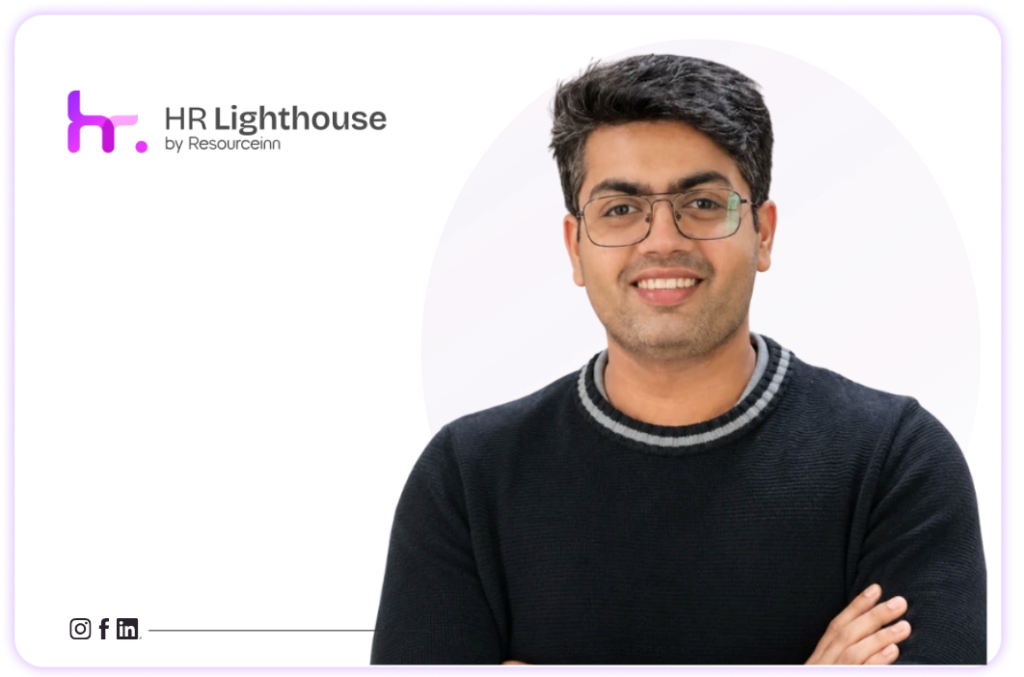
I’m Atif Hussain, Assistant General Manager HR at Norinco International Cooperation Ltd in Lahore, and my HR career started nowhere near a strategy table. It started in a shared services team in the UAE, processing the kind of transactional work that keeps an HR department running but rarely gets talked about.
Nobody plans a straight line into strategic HR. Mine went through three fairly different jobs, each one changing what I thought the job actually was.
Where It Started: HR Shared Services
A shared services role is HR at its most operational. From February 2015 to July 2016, I worked as HR Coordinator Shared Services at Emirates Group in the UAE, coordinating employee support, payroll processing, onboarding, and documentation against fixed service-level standards.
The work is repetitive by design. That’s the point of shared services, consistency at volume. But it teaches you something people who skip straight into HR business partnering often miss: what the back end of a policy actually looks like when a few hundred employees hit it at once. I still think about that when I’m involved in designing a policy today, not just approving one.
Building Operational Ownership
The next stretch was different in a way that mattered more than the job title suggested. From June 2017 to March 2020, I was Assistant Manager Human Resources & Administration at Insignia in Lahore, managing end-to-end HR and admin — talent acquisition, payroll, performance management, employee engagement, policy implementation and partnering directly with business units on workforce planning.
Shared services hands you a process to run. This role handed me a function to own. The difference isn’t subtle. When something in performance management wasn’t working, there was no separate policy team to escalate it to and so I had to decide what to change and live with the result. Payroll, talent acquisition, engagement, and policy work all sat under the same desk, which meant I saw how a decision in one area quietly created a problem in another. That’s a different kind of pressure, and it’s where I started thinking about HR as something that has to serve the business, not just administer it.
What Changed When I Moved Into Strategic HR
Since March 2023, I’ve been Assistant General Manager HR at Norinco International Cooperation Ltd, leading strategic HR operations for the Lahore Orange Line Metro including talent management, workforce planning, employee relations, and organizational development for a large, high-visibility infrastructure project.
This is where the job stopped being about running HR processes well and became about deciding which processes the organization needed in the first place. Workforce planning for a project like this isn’t a spreadsheet exercise — it means understanding the operational timeline of a metro system and working backward to figure out what HR needs to have in place months before it’s needed. Employee relations at this scale means building trust with people whose jobs are directly tied to public infrastructure performing reliably. Compliance and engagement aren’t separate boxes to check; they’re both part of the same conversation about whether the organization can deliver.
What This Shift Actually Required
The skills didn’t change as much as I expected going into it. What changed was the order I used them in.
In shared services, you’re given the answer and asked to execute it accurately. In strategic HR, you’re given a business problem and have to work out whether HR has an answer at all. Recruitment, employer branding, people strategy, all of these were always part of my work in some form, but earlier in my career they were tasks. Now they’re decisions, and the cost of getting a decision wrong shows up months later, not the same afternoon.
The other change is less about skill and more about attention. Early on, I measured my work by whether the process ran on time. Now I measure it by whether the people affected by a decision either the employees, business unit leads or the people relying on the metro system we’re staffing would say it was the right call. That’s a harder thing to be accountable for, and it’s the part of the job I didn’t understand until I was doing it.
A Milestone in Professional Development
Looking back, none of the three roles was wasted, even the parts that felt like pure administration at the time. The shared services grounding is still there every time I think through how a policy will actually land on the ground, employee by employee, not just on paper. The operational ownership at Insignia is still there every time I have to make a call without anyone above me to defer to. Strategic HR didn’t replace those foundations instead, it needed them, and I don’t think I would trust my own judgment on a project the size of a metro system’s workforce without having done the earlier, less visible work first.
If you’re one of the HR professionals across Pakistan building toward a strategic HR role of your own, join the HR Directory to build your visibility on the platform.
Frequently Asked Questions
What does a career path from HR shared services to strategic HR leadership look like?
It typically moves through three stages: transactional shared-services work (payroll, onboarding, documentation), then operational HR management with direct ownership of a function, then strategic HR leadership focused on aligning people decisions with broader business or project goals.
Who is Atif Hussain?
Atif Hussain is Assistant General Manager HR at Norinco International Cooperation Ltd in Lahore, Pakistan, specializing in people transformation, organizational development, and talent management.
Where did Atif Hussain’s HR career begin?
Atif Hussain began his HR career as an HR Coordinator in Shared Services at Emirates Group in the UAE, starting in February 2015.
Why does moving from operational HR to strategic HR matter for HR professionals?
It matters because it changes what HR is accountable for — from executing processes accurately to deciding which people strategies actually serve the business, which affects how much influence HR has in an organization’s decisions.