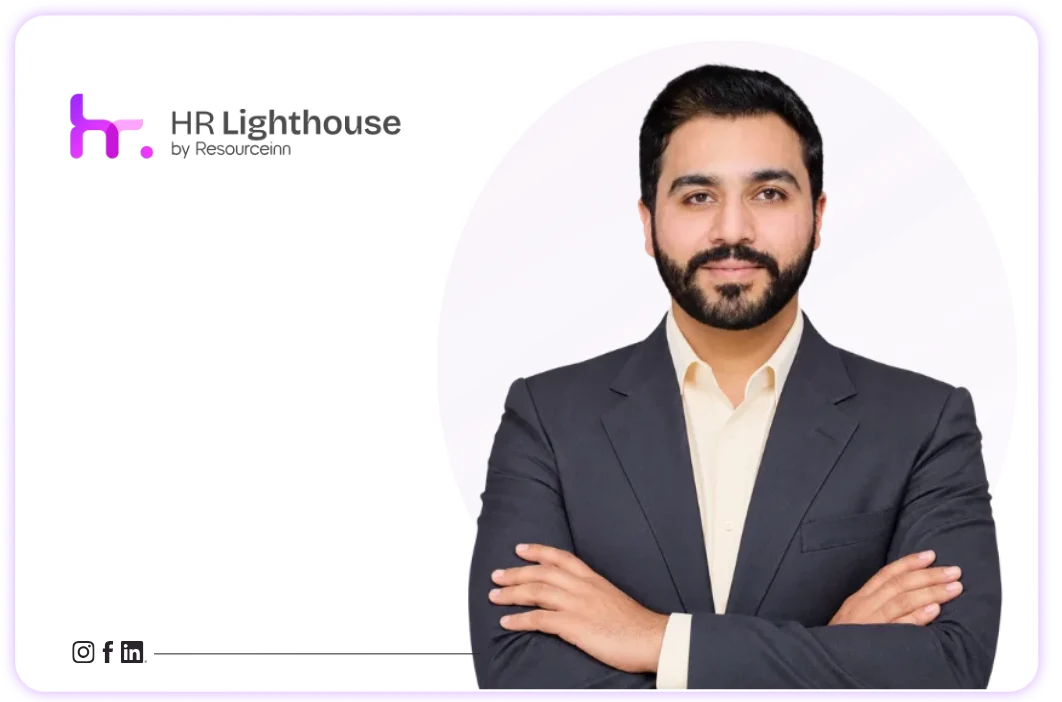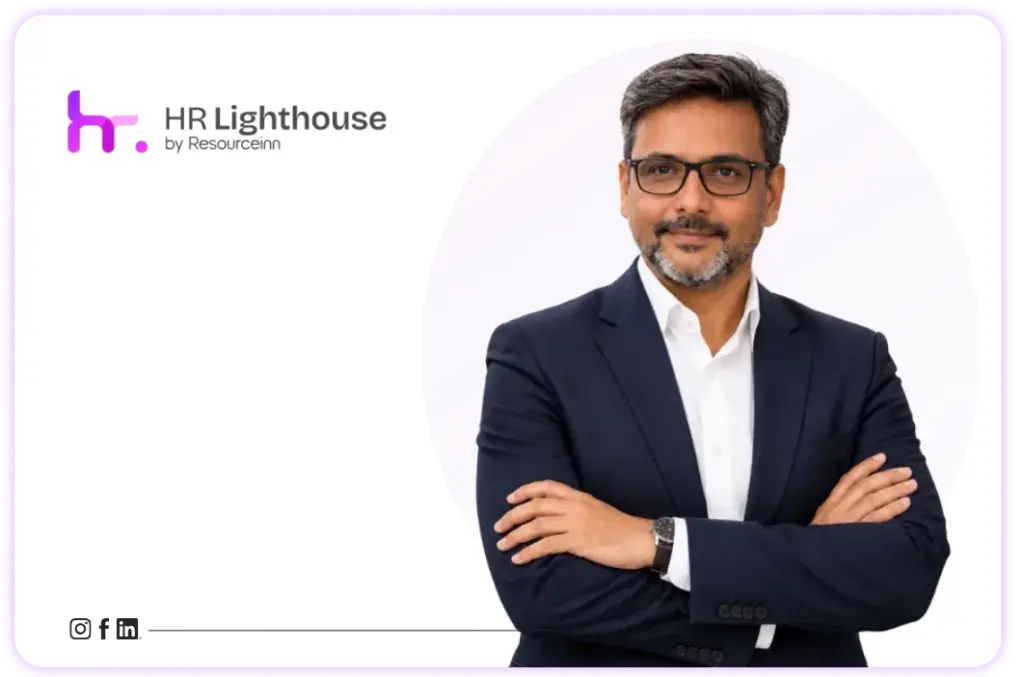

I’m Azar Ejaz Ateeq, Head of Human Resources at Akseer and founder of Intact Services, and in my experience HR outsourcing works best when the provider behaves like a client’s own HR department rather than an outside vendor. Since 2018, I’ve led a team of more than 120 professionals delivering HR operations for 180 clients, including monthly payrolls above PKR 1 billion and statutory compliance for 125 medium to large companies.
Most people assume outsourcing HR means sending paperwork somewhere else and getting a finished product back. The reality is closer to the opposite. You inherit a client’s people, their rules, their deadlines, and their risks, and every mistake you make lands on someone’s payslip within days. That reality has shaped almost everything I believe about how HR operations should be run.
What HR Outsourcing Actually Means Day to Day
HR outsourcing is the practice of handing defined HR functions, such as payroll, statutory compliance, recruitment support, or employee records, to an external provider instead of building that capacity in-house. On paper, that sounds like a cost decision. In practice, it is an accountability decision, because the provider is now responsible for outcomes that every employee at the client company feels directly: a correct salary, on time, with the right deductions.
That accountability is why I think of outsourced HR as an operations discipline first and a service offering second. A client doesn’t judge you on how many clients you serve or how many people you employ. They judge you on whether their month-end closed without a surprise.
Why Payroll Compliance Is the Real Test
Payroll is the one HR function where an error is visible to every employee in the same week, and where an error can also carry regulatory consequences. Income tax withholding, EOBI contributions, and provincial social security requirements all have to be calculated and filed correctly, and each client layers its own allowances, deductions, shift rules, and policies on top of that statutory baseline.
The failure mode I see most often isn’t a lack of knowledge. It’s that a client’s rules live in one person’s head. When that person is on leave, or leaves the organization, the rules leave with them, and the next payroll run becomes a guessing exercise. When you are managing statutory compliance across 125 clients, that kind of fragility doesn’t just cause one error, it causes a cluster of them at the same time.
How I Run HR Operations Across Many Clients
Document Each Client’s Rules Once, in One Place
Every client gets a written record of how their payroll actually works: pay structures, allowances, deduction logic, approval chains, and exceptions. It sounds basic, but it is the difference between a process that survives staff changes and one that doesn’t. Anyone on the team should be able to pick up a client’s payroll and run it correctly from the documentation alone.
Run Compliance on a Calendar, Not on Reminders
Statutory deadlines don’t move because a team is busy. I treat compliance as a calendar with named owners and checkpoints ahead of every due date, rather than something people remember when it gets close. The goal is for a filing to be reviewed days before it is due, so that a problem found during review is an inconvenience instead of a penalty.
Give Senior Stakeholders a Short, Predictable Update
Clients’ senior leaders don’t want a long explanation of how payroll works. They want to know that it ran, that it was accurate, and that anything unusual has been flagged early. A short, consistent update each cycle builds more trust than a detailed report that only appears when something goes wrong. That habit came directly from managing senior stakeholder relationships at scale.
When Outsourcing Works, and When It Doesn’t
HR outsourcing works well for companies that are growing faster than their HR capacity, or that need dependable payroll and compliance without building a full team to handle it. It works best when the client treats the provider as part of the team, sharing context about upcoming hires, restructures, or policy changes before they hit payroll rather than after.
It works poorly when a company tries to outsource the decisions that define its culture, such as how performance is judged or how people are developed. Those need to stay close to leadership. Leading HR in-house at Akseer alongside Intact Services, I’ve seen that boundary from both sides: operations can be delegated, but ownership of the people strategy can’t.
Closing Thoughts
After years of running HR operations for other companies, the lesson that has held up best is simple: outsourced HR earns trust through consistency, not through scale. The clients who stay are the ones who stop thinking about whether payroll will be right, because it always is.
If you’re one of the HR professionals across Pakistan building toward milestones of your own, join the HR Directory to build your visibility on the platform.
Frequently Asked Questions
What is HR outsourcing?
HR outsourcing is the practice of contracting an external provider to manage defined HR functions, such as payroll, statutory compliance, recruitment support, or employee records, on behalf of a company.
Who is Azar Ejaz Ateeq?
Azar Ejaz Ateeq is the Head of Human Resources at Akseer and the founder of Intact Services in Karachi, Pakistan, with more than 17 years of experience in HR transformation, performance management, talent acquisition, and HR operations.
What does Azar Ejaz Ateeq recommend for payroll compliance in outsourced HR?
He recommends documenting each client’s payroll rules in one place, running statutory compliance on a calendar with named owners and early review points, and giving senior stakeholders a short, predictable update each payroll cycle.
Why does HR outsourcing matter for growing companies?
It gives companies dependable payroll, compliance, and HR operations without building a full in-house team, which lets leadership focus on growth while a specialist provider handles the work that carries regulatory and employee-experience risk.