





























































What is Resourceinn?
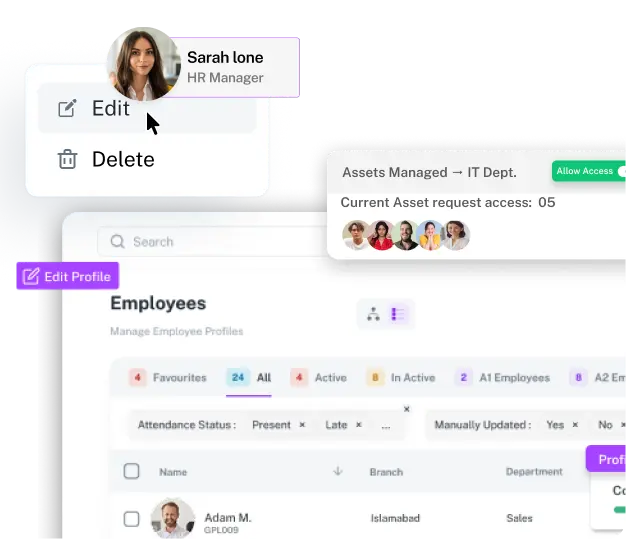
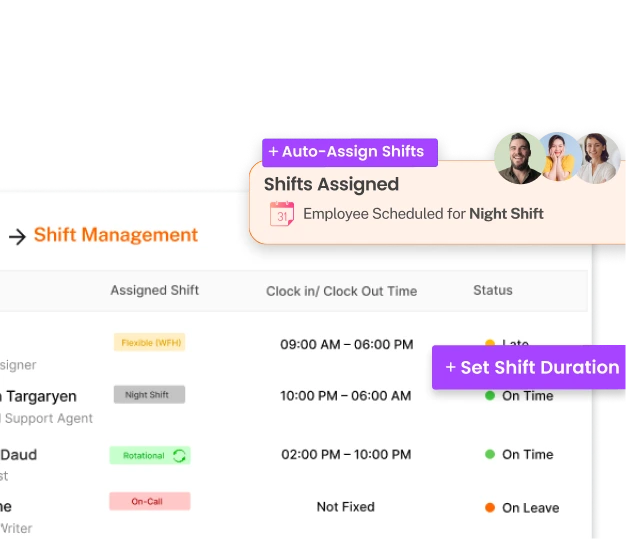
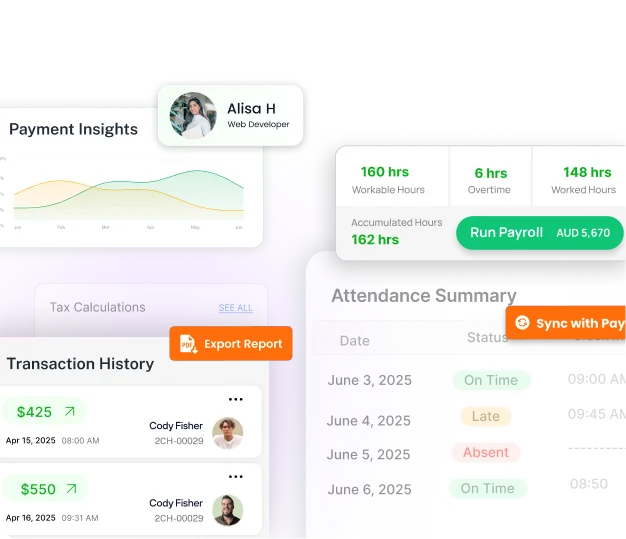
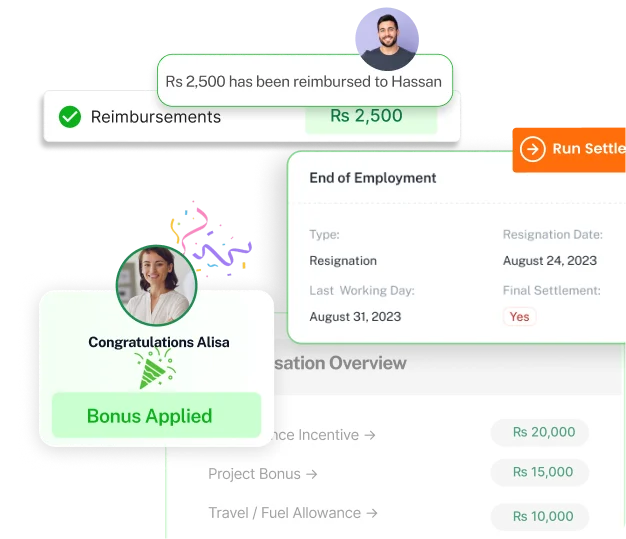
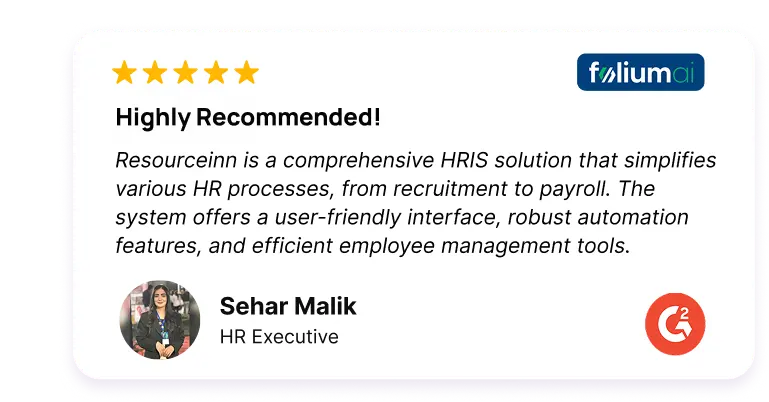
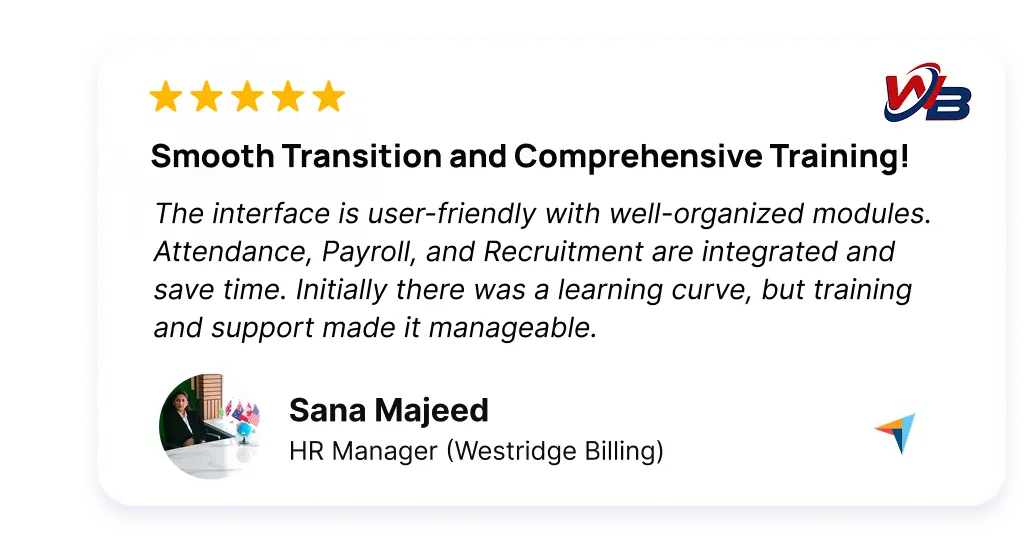
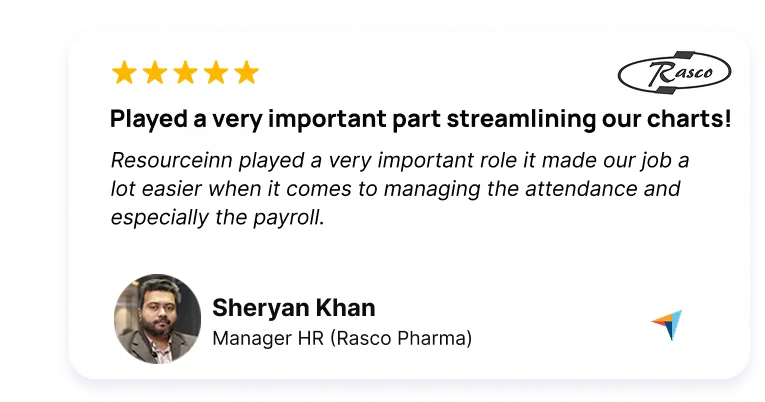
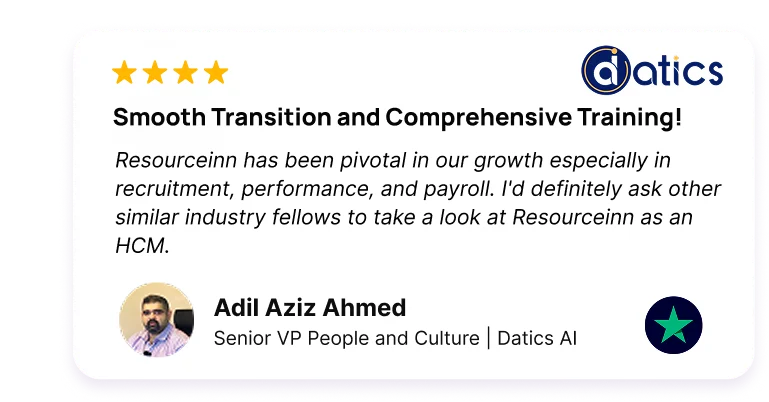
Resourceinn is a software-as-a-service (SaaS) human resources (HR) platform that works as an HRMS, HRIS, and HCM. It helps businesses manage employees, payroll, attendance, performance, training, and other HR processes from one system. Resourceinn is trusted by 1100+ businesses for one simple reason: it fits their needs, thanks to its modular features, flexible deployment options, and pay-for-what-you-use pricing model.
Book a Demo to Learn More About Resourceinn.
What is the cost of HR software?
The cost of HR software depends on your organization’s size, the modules you choose, and how many employees you have. With Resourceinn, pricing is flexible and often calculated per employee per month, so you only pay for what you use. See how much HR software will cost for your business.
Request your custom Resourceinn Pricing quote here
Is Resourceinn cloud-based or on-premise?
Resourceinn is primarily cloud-based, built on secure platforms such as DigitalOcean (DO), Amazon Web Services (AWS), and Google Cloud Platform (GCP). Security is integrated at every layer. For organizations with strict data or compliance requirements, on-premise HR software deployment is also available upon request.
Is Resourceinn an HRMS, HRIS, or HCM?
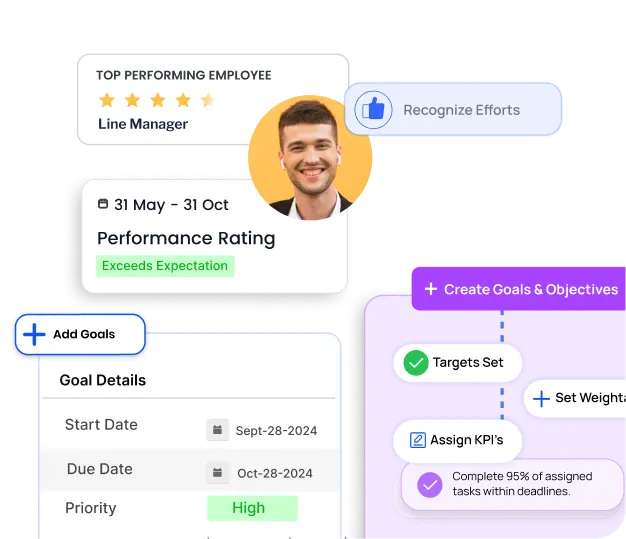
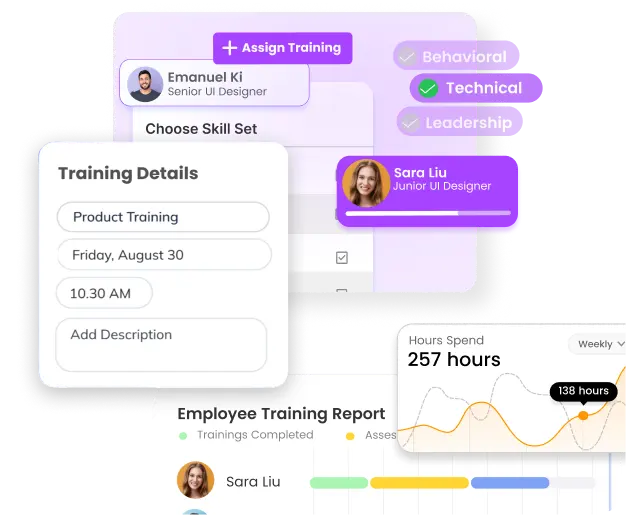
Resourceinn is an HRMS, HRIS, and HCM, meaning it’s an all in one platform. It combines core HRIS features like employee records and compliance and full HRMS capabilities such as payroll, attendance, and leave management. Its HCM modules include performance management, learning, and workforce analytics
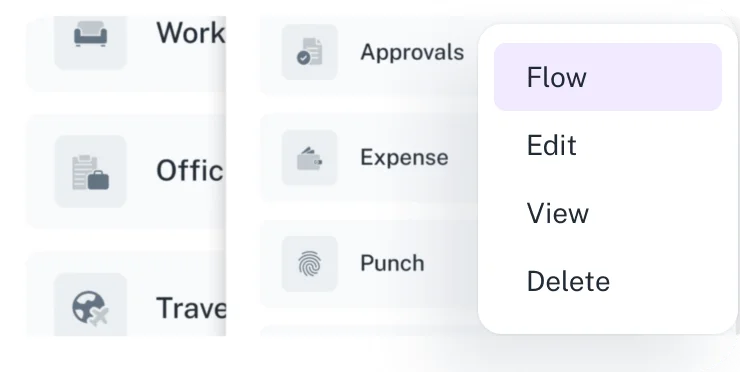
Businesses can customize, enable, and pay only for the modules they need, making Resourceinn flexible for any industry, company size, or HR requirement.
Book a Demo to see how Resourceinn will adapt to your company needs.
How secure is our company data in Resourceinn?
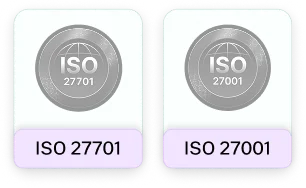
With ISO, GDPR, and CCPA compliance, data security is a top priority in Resourceinn. We protect your HR and payroll data with role-based access, regular backups, and encryption both in transit and at rest, ensuring nothing is ever lost.
Does Resourceinn integrate with existing payroll and HR systems?
Yes. Resourceinn HR and payroll software supports integrations with existing payroll tools, accounting systems, and third-party HR applications. Popular built-in integrations include Xero and Quickbook while the rest can be integrated upon request.
Is Resourceinn an AI-based HRMS?
Yes, Resourceinn believes in the agentic power of artificial intelligence (AI) and helps clients integrate it in their day-to-day HR management via.
Does Resourceinn have a mobile app?
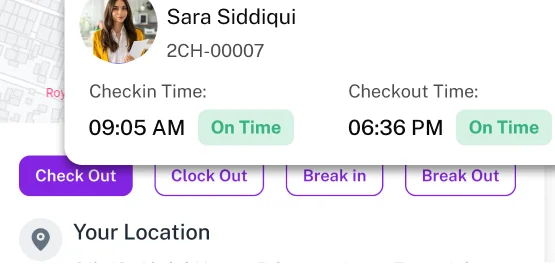
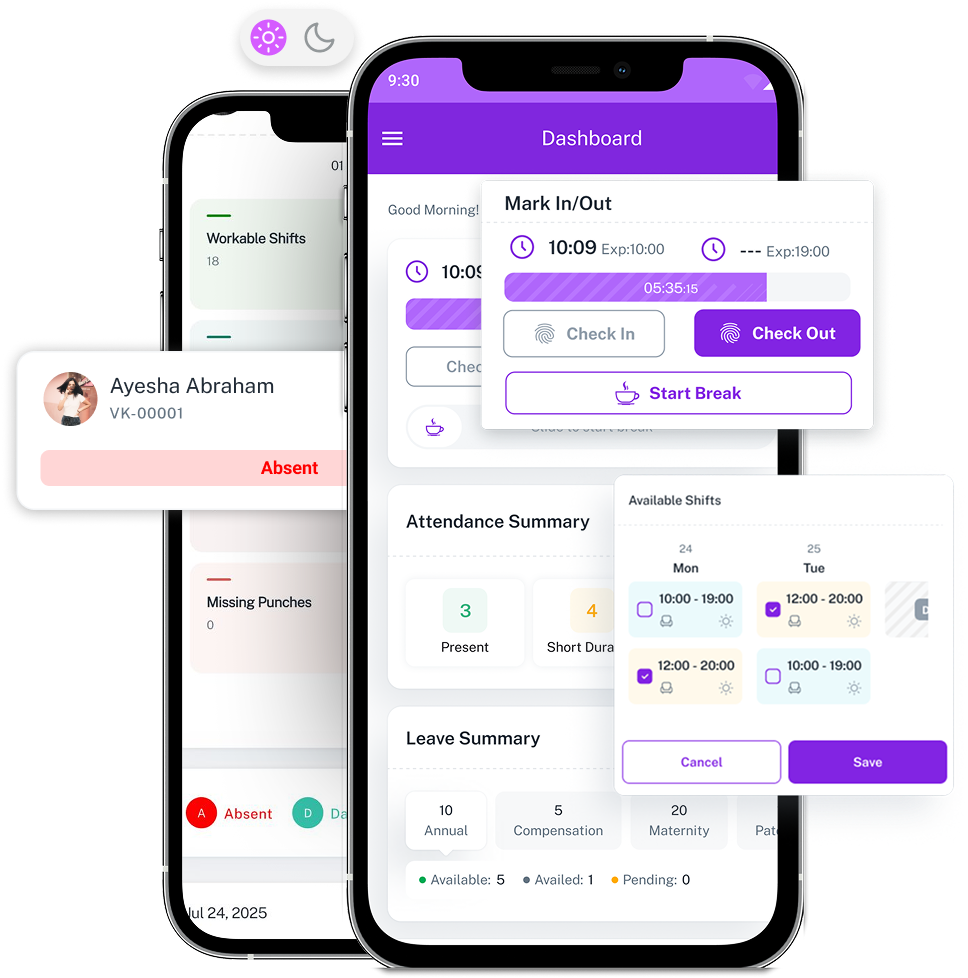
Yes. We have a mobile app (iOS & Android) for both employees and managers for self-service. Your workforce can manage their attendance, leave, payslips, approvals, HR information, and more on the go.
How long does Resourceinn HRMS implementation typically take?
Resourceinn has a dedicated implementation team with product specialists, engineers, and point-of-contact (POCs). Given all pre-requisites, data provisions, and client availability is ensured, in most cases, Resourceinn HRMS can be implemented within a few weeks, including data migration, configuration, and user training.
The definite Resourceinn implementation timeline, however, depends on your employee size, system configurations, and selected modules.
What support system does Resourceinn HR management software offer?
Resourceinn provides three tiers of excellent customer service:
- Resourceinn Implementation Team for system training, configuration, and on-boarding
- Day-to-day Support for routine questions, bug resolution and other queries etc.
- Dedicated Client Success Managers for long-term optimization, system adoption, and to get the best out of Resourceinn
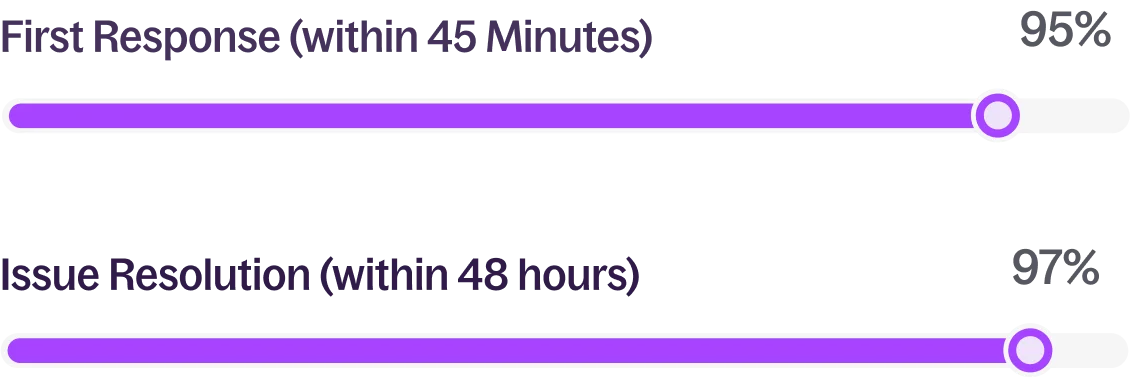
The support team is available on phone, help desk, and email from Monday to Saturday, 9:00 AM to 8:00 PM (Pakistan Standard Time – PKT).
Do you have clients in my industry using your HRIS/HRMS/HCM?
Resourceinn is used by 1100+ companies across 30+ industries, including technology, healthcare, manufacturing, retail, and services. Serving such a diverse clientele shows that Resourceinn can handle any HR, payroll, or compliance challenge, no matter the size or industry.
How does your payroll management system handle compliance?
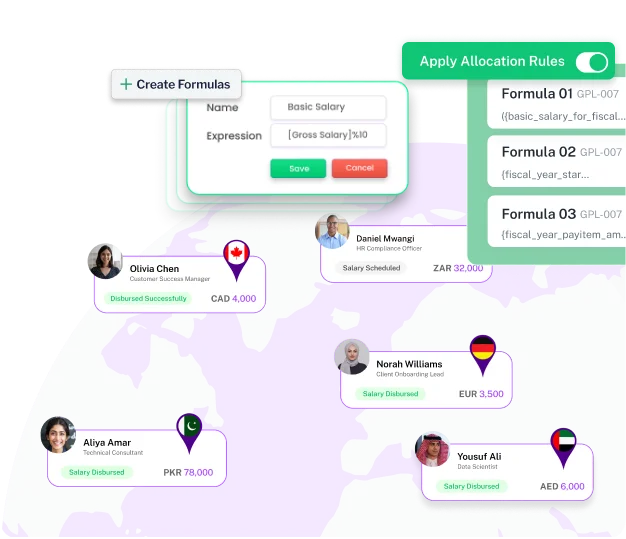
Resourceinn payroll management system has built-in statutory compliance, meaning it effectively automates salary calculations for your employees, including tax, benefits, and attendance-based deductions.
What features does Resourceinn offer for data backup and disaster recovery?
Resourceinn offers daily automated data backups stored in geographically distributed data centers across the globe. We also offer point-in-time recovery via version-controls and powerful disaster recovery mechanisms. This includes:
- Maximum 72 hours RTO and and 7 days RPO
- Seamless failover to secondary data centers
- Disaster recovery drills every 3 months
What is the best HR software for growing businesses?
The best HR software for your growing businesses is the one that scales with your team and adapts to your HR needs, while still easy to use. Resourceinn HR software comes up as a strong choice because of its modular features, deep configuration, and flexible pricing. You can start with our core HR software then add advanced modules like HRMS or HCM as your company grows.
Our consultants with decades of experience and expertise will help you choose and customize Resourceinn modules based on your HR challenges, needs, and budget.
How does Resourceinn compare to other HRIS/HRMS platforms?
Compared to other HRIS/HRMS platforms, Resourceinn has unmatched flexibility, customization, and modular pricing. While many HR software are either rigid or overpriced or both, Resourceinn allows businesses to have granular control over their workflows, policies, and software analytics with a world class UI/UX and AI-integrated HR management
This makes it a strong software option for companies searching for the best HRIS/HCM without enterprise-level complexity.
