
Introduction
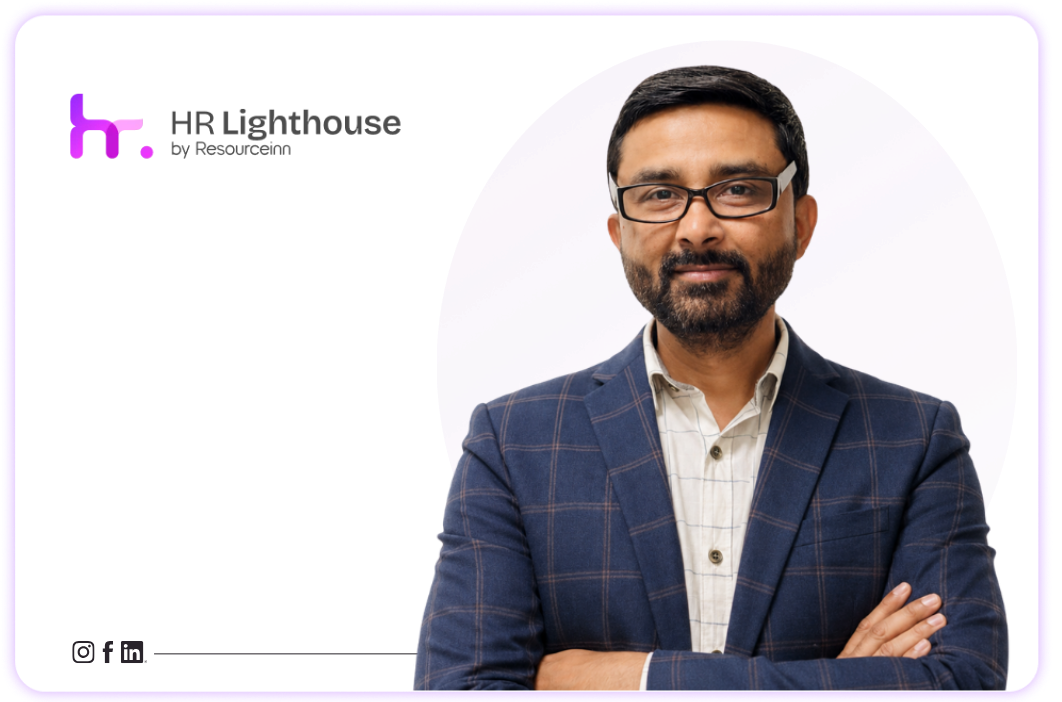
I’m Unzilah Siddiqui, Assistant Manager HR at Cubix in Karachi, and one of the roles I held before this one put recruiting and employee engagement under the same job title, not two separate ones. At the time it felt like the job description had just been stretched thin. In hindsight, it was the most honest version of the role because the two aren’t actually separate problems, even though almost every org chart treats them that way.
Most HR org charts split them anyway. Recruiting gets its own team, engagement gets its own team, and the two rarely talk to each other about the same employee. I don’t think that split holds up once you’ve actually done both at the same time, even if it’s convenient on an org chart.
What Recruiting Gets Wrong Without an Engagement Lens
A recruiter’s job usually ends at the offer letter, or maybe onboarding. But every promise made during recruiting be it the pace of growth, the team culture or the flexibility, it all becomes something engagement then has to actually deliver on. When I was handling recruiting and employee engagement together, I couldn’t get away with overselling a role in an interview, because I’d be the same person dealing with the fallout six months later when that employee’s expectations didn’t match reality.
That accountability changes how you recruit. You stop treating a strong interview as the finish line and start treating it as the first promise in a relationship you’re also responsible for keeping. It’s a different kind of discipline than most recruiting roles ask for, because most recruiters never have to sit across from the person they hired six months later and explain why the job didn’t turn out the way it was described.
What Engagement Gets Wrong Without a Recruiting Lens
The reverse is just as true. Employee engagement work including the surveys, the initiatives, the culture programs often gets designed without much awareness of who’s actually walking in the door and why. If recruiting has been selling a fast-paced, high-autonomy environment to attract candidates, but engagement initiatives are built around structure and predictability, the two programs are quietly working against each other. Nobody notices until retention numbers start slipping and nobody can quite explain why.
Doing both meant I could catch that kind of mismatch early, noticing when the kind of person recruiting was successfully attracting wasn’t actually the kind of person our engagement programs were built to keep happy. An engagement team that never talks to recruiting is often solving for the wrong employee, because they’re designing programs around who they assume is being hired rather than who’s actually showing up.
Where the Two Actually Meet
Employer branding is the clearest place this shows up. It’s not just recruitment marketing, and it’s not just an internal culture initiative. It’s the same story told to candidates before they join and to employees after they’re already there. If those two versions of the story don’t match, candidates find out fast, usually from someone already on the team. I’ve seen how quickly a mismatch between what recruiting promises and what employees actually experience travels through informal conversations, long before it shows up in an exit interview.
Treating employer branding as one continuous thread, rather than a recruiting deliverable that stops mattering once someone’s hired, is what keeps recruiting honest and keeps engagement grounded in who the company is actually attracting. It also means employer branding can’t just live with marketing or with whoever writes the job postings and it needs input from whoever is actually managing the employee relationship after day one, because that’s where the brand either holds up or falls apart.
What This Means for How HR Teams Are Structured
I’m not arguing that every company needs one person doing both jobs forever, that doesn’t scale past a certain size. But I do think recruiting and engagement need to talk to each other constantly, even when they’re separate teams. A recruiter should know what engagement is finding out about why people leave. Someone running engagement initiatives should know exactly what promises were made to bring people in.
The alternative is what happens by default: recruiting optimizes for filling the role, engagement optimizes for keeping people happy once they’re there, and neither team is really accountable for whether the story they’re each telling is actually the same one. Having sat in a role where both were my responsibility, I don’t think that gap closes on its own just because two teams share a Slack channel. It closes when someone is explicitly responsible for noticing when the two stories stop matching.
If you’re one of the HR professionals across Pakistan, building a career that spans both recruitment and employee experience, join the HR Directory to build your visibility on the platform.
Frequently Asked Questions
How does recruiting affect employee retention and engagement?
Recruiting sets expectations about pace, culture, and growth that employee engagement then has to either deliver on or fail to deliver on; a mismatch between what recruiting promises and what employees actually experience is a common, often overlooked driver of early turnover.
Who is Unzilah Siddiqui?
Unzilah Siddiqui is an Assistant Manager HR at Cubix in Karachi, Pakistan, with experience in talent acquisition, recruitment, employer branding, organizational development, and employee engagement.
Where has Unzilah Siddiqui worked on both recruitment and employee engagement together?
Unzilah Siddiqui held a role at Be Energy, the Caltex Fuels licensee in Pakistan, where employee engagement and recruiting were combined responsibilities within the same HR position.
Why does treating recruitment and employee engagement as connected matter for HR teams?
It matters because when the two functions operate separately, recruiting can oversell a role or culture that engagement then can’t realistically deliver on, creating a gap that often surfaces later as unexplained turnover rather than being caught and corrected early.