
Introduction
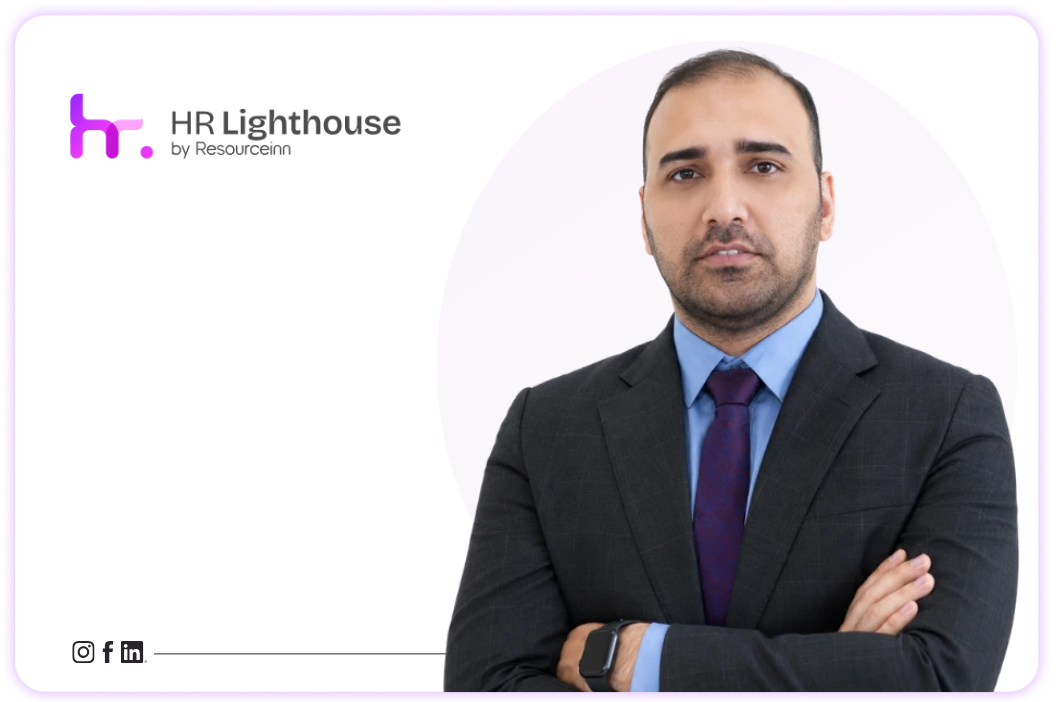
I’m Asim Rahim, Head of People & Culture at Rolustech in Lahore, and if I look back at three roles across fifteen years it will conclude as HR Executive at a media company, Head of Talent Acquisition at a tech firm, and my current strategic HR role, the one constant isn’t a job title. It’s HR analytics.
That’s not something I set out to build a career around. It’s something that kept showing up as the actual work, role after role, long before “people analytics” became a phrase companies put on job descriptions.
Where It Started: Analytics as Compliance Work
Early in my career, as HR Executive at Dunya News, HR analytics wasn’t a strategic function but it was workforce analytics tied to policy development, process automation, and compliance. The job was to make sure the numbers were accurate and the reporting held up, not to use those numbers to make a case for anything. But that groundwork mattered more than it seemed to at the time. Learning to trust and verify workforce data before you act on it is a discipline that doesn’t show up on a resume line, but it’s the foundation of everything after it was built on. A lot of HR professionals skip that stage entirely and go straight into dashboards and predictive models without ever having to reconcile a headcount report by hand or explain a discrepancy to an auditor. I don’t think that’s a shortcut worth taking.
Where It Became a Business Tool
The shift happened at Confiz, where I spent nine years as Head of Talent Acquisition leading global hiring strategies across regions. Managing recruitment and employee lifecycle processes across multiple geographies isn’t something you can run on instinct. Enhancing those processes through data-driven HR solutions wasn’t a side project; it was how a team our size stayed accurate while hiring across regions with different labor markets, different candidate pools, and different timelines.
That’s the point where analytics stopped being about compliance and became about decisions regarding which regions were converting candidates faster, where the pipeline was actually breaking down, which sourcing channels were worth the spend. None of that is glamorous work, but it’s the difference between a talent acquisition team that reacts and one that can tell leadership what’s coming.
Nine years is long enough to see the same data problem repeat itself across different hiring cycles. What I noticed is that the teams who struggled weren’t short on data but most HR systems generate plenty of it. They were short on the discipline to keep looking at the same handful of metrics consistently, cycle after cycle, instead of reaching for a new dashboard every time leadership asked a new question. Consistency, not sophistication, was usually the actual gap.
Where It Sits Now
In my current role at Rolustech, HR analytics is listed as one of my core skills alongside HR business partnering and HR strategy and that’s not a coincidence. Driving strategic HR partnerships means aligning people’s initiatives with business goals, and you can’t credibly align anything with business goals without being able to show the data behind it. A strategic HR conversation with business leadership goes differently when you can point to actual workforce trends instead of a general sense that something needs to change. It’s the difference between being asked into the room to explain a decision after it’s made and being in the room while the decision is still being shaped.
What Fifteen Years of This Has Taught Me
The honest lesson is that HR analytics was never really a separate skill I picked up. It was the same underlying habit throughout that to trust the data, verify it, then use it to make a specific case applied at increasing scale and increasing stakes. At Dunya News it meant getting a compliance report right. At Confiz it meant using data to run global hiring at scale. At Rolustech it means using data to influence business strategy in the room where those decisions get made.
If there’s a pattern worth taking from that, it’s this: HR analytics isn’t a tool you adopt at a single point in your career. It’s a habit that compounds, and the roles that look the most “strategic” on paper are usually the ones where that habit finally has enough scale to matter. I’d tell someone earlier in their HR career not to wait for a job title with “analytics” in it before taking the discipline seriously but the habit is worth building in whatever role you’re in now, because the scale tends to arrive on its own once the habit is already there.
If you’re one of the HR professionals across Pakistan building your own data-driven HR career, join the HR Directory to build your visibility on the platform.
Frequently Asked Questions
How does HR analytics build a career in HR?
HR analytics tends to compound rather than appear all at once. Starting with basic workforce reporting and compliance data, then scaling into decisions about hiring, retention, and workforce planning, and eventually into data-backed strategic conversations with business leadership.
Who is Asim Rahim?
Asim Rahim is Head of People & Culture at Rolustech in Lahore, Pakistan, with over 15 years of experience in HR, talent acquisition, and people management.
Where did Asim Rahim first work with HR analytics?
Asim Rahim’s early experience with workforce data and HR analytics began at Dunya News, where he managed HR policy development, process automation, and workforce analytics.
Why does HR analytics matter for HR professionals building a long-term career?
It matters because analytics shifts HR from a reactive, process-driven function into one that can make and defend strategic decisions with data, which is often what separates operational HR roles from senior, business-facing HR leadership roles.