
Introduction
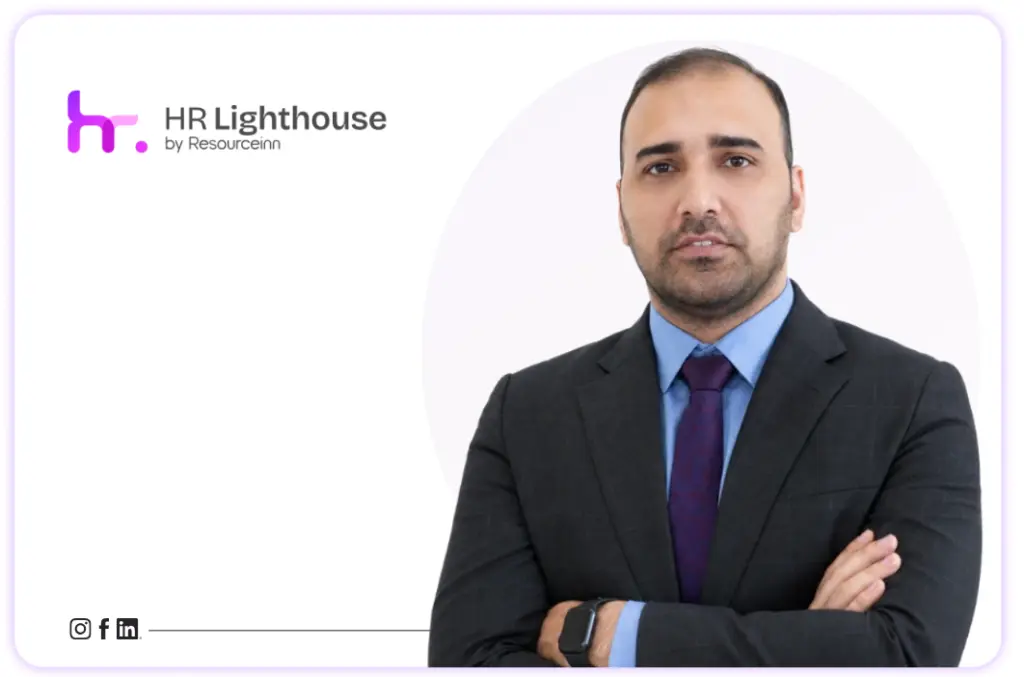
I’m Nahyan Jasim, and strategic workforce planning is the part of HR that most organizations treat as an annual spreadsheet exercise, when it should really be a running conversation with the business. Over the past decade, moving between HR consulting and in-house leadership roles across IT and SaaS companies, I’ve seen the same pattern repeat: teams that plan headcount reactively spend far more time firefighting than teams that build capacity planning into how they operate day to day.
The instinct in a lot of organizations is to treat headcount forecasting as something HR produces once a year and hands to leadership for approval. In my experience, that approach almost guarantees the plan is outdated within a quarter. Business priorities shift, projects get greenlit or shelved, and a forecast built on last year’s assumptions stops being useful long before the fiscal year ends.
What Workforce Planning Actually Means in Practice
Strategic workforce planning, at its core, is about matching the people you have to the people the business will actually need and not just counting seats, but understanding which skills are becoming more important, which roles are becoming less critical, and where the gap between today’s team and tomorrow’s requirements is widening. That’s a fundamentally different exercise from headcount budgeting, even though the two get treated as interchangeable in a lot of organizations.
The distinction matters most when a business is scaling quickly. I’ve worked across companies moving from dozens to over a hundred employees, and the mistake I see most often is planning headcount purely against current workload rather than against where the business is heading. A team hired to solve this quarter’s problem is often the wrong team for next quarter’s problem, and by the time that becomes obvious, the hiring cycle to fix it has already taken months.
This is where the consulting side of my career shaped how I think about the problem. Coming in as an outside advisor forces you to ask questions. A full-time HR leader sometimes stops asking after a while why this team has the shape it has, is that shape intentional or just a historical accident, and would anyone design it this way starting from scratch today. Most of the time, the honest answer is that the current structure reflects who was available to hire eighteen months ago, not what the business actually needs now.
How I Approach Capacity Analysis
Start with the Business Plan, Not the Org Chart
The org chart tells you where you are. It doesn’t tell you where you’re going. Before I build any headcount forecast, I sit with business leadership to understand what’s actually planned for the next two to four quarters for new markets, new products, planned attrition, seasonal demand because a forecast built only on the current structure just recreates today’s team with a few more seats added.
Separate Growth Hiring from Replacement Hiring
One pattern I’ve found genuinely useful is keeping growth headcount and replacement headcount as separate lines rather than one combined number. Blending them hides what’s actually happening within a team that looks like it’s expanding might really just be replacing attrition, while a team that looks stable might be quietly absorbing more work than its headcount can sustain. Separating the two makes both trends visible instead of canceling each other out in a single total.
Build in Review Points, Not Just Annual Cycles
An annual workforce plan is a starting assumption, not a fixed commitment. I’ve found quarterly check-ins against the original forecast catch drift early probably because of a delayed product launch, a market that grew faster than expected or a role that turned out to need different skills than planned. Catching that drift in a quarterly review is a minor adjustment. Catching it a year later, when the annual plan finally comes up for renewal, is a much more expensive correction.
The organizations that resist this the most are usually the ones where workforce planning sits entirely inside HR, disconnected from the teams that actually feel the impact of a stale forecast first. Giving department leads visibility into the plan and not just the final headcount number, but the reasoning behind it that tends to surface early warning signs faster than waiting for HR to notice the gap on its own.
Closing Thoughts
Strategic workforce planning works best as a discipline the business revisits regularly, not a document produced once and filed away until next year. The organizations I’ve seen handle growth well are the ones where HR and business leadership are having this conversation continuously, adjusting the plan as real conditions change rather than defending a forecast that was already outdated by the time it was approved.
If you’re one of the HR professionals across Pakistan building toward milestones of your own, join the HR Directory to build your visibility on the platform.
Frequently Asked Questions
What is strategic workforce planning?
Strategic workforce planning is the process of aligning an organization’s talent and workforce needs with its long-term business goals, forecasting future headcount and skill requirements and closing the gaps through hiring, reskilling, or restructuring.
Who is Nahyan Jasim?
Nahyan Jasim is the Group Head of Human Resources & Administration at E Cube Solutions, with over 10 years of experience in HR leadership, talent acquisition, and workforce planning across IT, SaaS, and diverse industries.
What does Nahyan Jasim recommend for headcount forecasting?
He recommends building forecasts around the business’s future plans rather than its current org chart, separating growth hiring from replacement hiring, and reviewing the plan quarterly rather than treating it as a fixed annual document.
Why does strategic workforce planning matter for HR professionals?
It helps organizations avoid reactive, last-minute hiring by anticipating skill and capacity gaps before they become urgent, which reduces the cost and disruption of scrambling to fill roles under pressure.