
Introduction
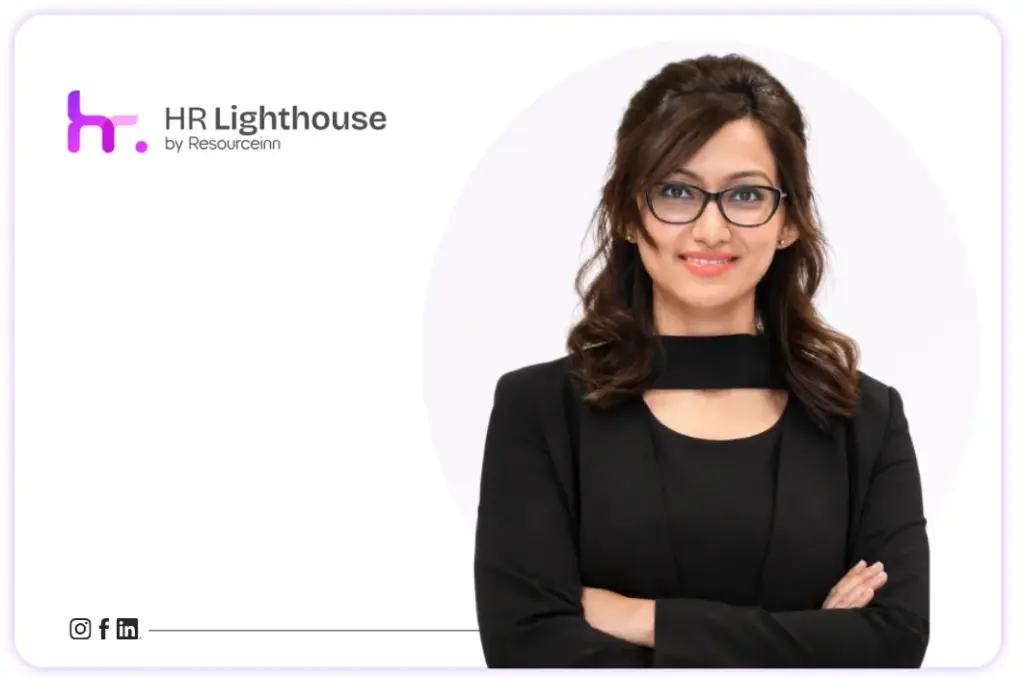
I’m Afsheen Iftikhar, Regional Head of HR for Pakistan and workforce upskilling has become the single most urgent conversation I have with business leaders, more than compensation, more than retention, more than almost anything else on the HR agenda. Twenty years into this career, I’ve watched skill requirements shift before, but nothing has moved as fast as what I’m seeing now, largely driven by AI adoption inside otherwise ordinary teams.
That urgency is part of why I also volunteer as Global Director of Learning & Development for the Artificial Intelligence Community of Pakistan. Sitting across both roles while running HR for a large regional workforce and designing training for a community built entirely around emerging technology has given me a clearer view than most of the gap between how fast skills are becoming outdated and how slowly most organizations are responding to it.
What Workforce Upskilling Actually Requires
Workforce upskilling is the deliberate process of helping employees build new or deeper skills so they can keep pace with how their roles are changing, rather than waiting until a skills gap becomes a performance problem. That sounds simple, but the mistake I see most often is treating it as an event ; a single training day, a one-time workshop instead of an ongoing capability an organization builds into how it operates.
The organizations that get this right treat skill development the way they treat any other core HR process: with a clear owner, a recurring cadence, and a way to measure whether it’s actually changing what people can do. The ones that get it wrong tend to announce ambitious upskilling initiatives and then let them quietly disappear once the initial enthusiasm fades.
Why AI Has Changed the Urgency
Before AI tools became part of daily work, skill gaps in most roles moved slowly enough that annual training calendars could keep up. That’s no longer true. I regularly see employees whose core job function has shifted meaningfully within a single year, not because their role was redesigned from the top down, but because the tools available to do that role changed underneath them.
Through my work with the Artificial Intelligence Community of Pakistan, I’ve had a front-row seat to how quickly practical AI skills are becoming table stakes rather than a specialization. What used to be a competitive advantage for a handful of technical employees is turning into a baseline expectation across functions with HR’s included. That shift is exactly why I think upskilling has to move from an occasional HR initiative to a standing part of how a workforce operates.
I see this play out differently across the two sides of my work. Inside a large regional workforce, resistance to new skill-building usually comes from time pressure where people are already stretched thin on their current workload, reluctant to add anything else. Inside a community built around emerging technology, the resistance looks different: people are eager to learn but unsure which skills are worth the investment given how quickly tools themselves keep changing. Both problems point to the same fix, which is treating skill-building as continuous rather than as a program with a start and end date.
How I Approach Building Future-Ready Teams
Start with an Honest Skills Audit
Before recommending any training, I look at what the organization actually needs versus what employees currently have, not what a generic industry benchmark suggests. Skill gaps are specific to a team’s actual work, and generic upskilling programs that ignore that specificity tend to produce attendance, not capability.
Make Learning a Habit, Not an Event
The training programs I’ve found most effective are the ones woven into regular work rather than scheduled as separate, one-off sessions people have to make time for. Short, frequent learning sessions tied directly to a person’s current projects tend to stick far better than an annual off-site that’s disconnected from what someone is actually doing the following Monday.
Track Outcomes, Not Attendance
A completion certificate tells you someone showed up. It doesn’t tell you whether they can now do something they couldn’t do before. I push teams to define what a person should be able to do differently after training, and to check for that specific change rather than counting sessions attended.
Give Managers a Role, Not Just HR
Upskilling programs that live entirely inside HR tend to stay theoretical. The ones that actually change behavior involve line managers directly while helping them recognize where their own team’s skill gaps sit, and giving them a way to reinforce new skills on the job rather than leaving that entirely to a training department. When a manager references a new skill in a real project the same week someone learned it, that reinforcement does more than a follow-up survey ever could.
Closing Thoughts
Workforce upskilling isn’t a nice-to-have HR initiative anymore; it’s closer to organizational insurance against becoming irrelevant to your own market. The pace of change I’m seeing through both my HR leadership role and my work with the AI Community of Pakistan tells me the organizations that treat this seriously now will spend far less time scrambling to catch up later.
If you’re one of the HR professionals across Pakistan building toward milestones of your own, join the HR Directory to build your visibility on the platform.
Frequently Asked Questions
What is workforce upskilling?
Workforce upskilling is the process of helping employees build new or more advanced skills so they can keep up with how their roles are changing, rather than waiting for a skills gap to become a performance problem.
Who is Afsheen Iftikhar?
Afsheen Iftikhar is the Regional Head of HR for Pakistan and India at WestPoint Home, with 20+ years of experience in people strategy, talent development, and organizational growth.
What does Afsheen Iftikhar do to prepare teams for AI and future skills?
Afsheen serves as Global Director of Learning & Development for the Artificial Intelligence Community of Pakistan, where she designs training programs aimed at building future-ready skills across the community.
Why does workforce upskilling matter for HR professionals?
Upskilling helps organizations close skill gaps before they become performance problems, and it reduces the cost and disruption of constantly hiring externally to cover skills a current team could have developed.