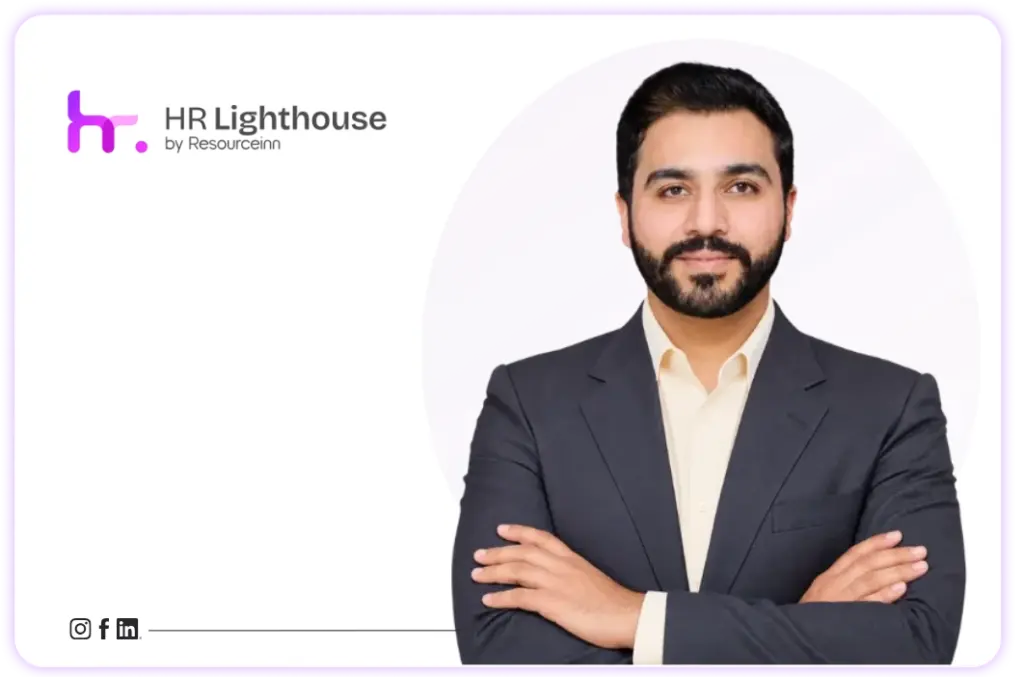

I’m Waqar Riaz, Director HR & Administration at HB Media (Capital TV), and in my experience HR transformation in a large organization is less a technology project than a change-management project. The systems are the easier part. The real work is bringing hundreds of people, and the managers who lead them, along with a different way of doing things.
I’ve spent over seventeen years in HR, across recruitment for overseas operations, compensation, performance appraisal, and employee relations, and I now lead end-to-end HR and administration for a national media network. Each organization I’ve worked in had a different reason for needing change. What stayed constant was that change imposed from the top, without the buy-in of the people expected to carry it out, rarely lasted.
What HR Transformation Actually Means
HR transformation is the redesign of how the HR function works, moving it from a mostly administrative role toward a strategic partner that helps the business plan, hire, develop, and retain people. It usually involves new processes and tools, but I think of those as the visible part. The deeper shift is in how HR is expected to behave: less reactive paperwork, more planning and accountability.
That distinction matters because organizations often confuse the two. Buying a system or rewriting a policy manual is not a transformation by itself. If managers still make decisions the old way, and HR still spends its time chasing approvals, the organization has simply moved the same habits onto new software.
Why Large Workforces Make It Harder
In a small company, a change in HR practice can be announced on Monday and understood by Friday. In a large organization, the same change has to pass through layers of managers, multiple teams, and often several locations before it reaches the people it affects. Each layer interprets it a little differently, and by the time it lands, it may not resemble what was intended.
Scale also raises the cost of inconsistency. When thousands of employment decisions are made every year, small differences in how managers apply a policy add up to real fairness and compliance problems. A large workforce needs HR foundations that hold steady regardless of who is making the decision, and building those foundations is, in practice, a large part of what transformation means to me.
How I Approach Change Management
Diagnose Before Redesigning
Before changing anything, I want to understand how the current processes actually work, not how they are described on paper. Where do approvals stall? Where do managers work around the system? Which reports does anyone actually read? My Six Sigma Green Belt training shaped this habit: define the problem clearly, measure it, and only then decide what to improve. Skipping that step is how organizations end up solving the wrong problem expensively.
Bring Line Managers in Early
Line managers are the real delivery channel for any HR change. They run the teams, apply the policies, and have daily conversations with employees. If they learn about a change only when it is announced, they tend to treat it as something done to them. If they help shape it, they tend to explain it to their own teams in terms that make sense. I would rather spend extra time early to get their input than extra time later undoing resistance.
Standardize Policy and Compliance First
Before improving the employee experience, I make sure the basics are consistent: clear policies, compliant labor practices, and fair, documented processes for hiring, appraisal, and employee relations. Experience in overseas recruitment and labor law implementation taught me that compliance is not a layer you add afterward. It is the ground everything else stands on, and a transformation built on unstable foundations will not hold.
Sequence the Change and Communicate Each Stage
Large changes work better in stages than all at once. I prefer to move one part of the HR function at a time, explain what is changing and why, and give people time to adapt before the next step. Employees are far more willing to accept change when they know what is coming and see that earlier steps were handled with care.
What I Would Tell Another HR Leader
The first thing I would say is that transformation is never finished. Business priorities shift, workforces grow, and what worked last year may not suit next year. The goal is not a final state but an HR function that can keep adjusting without disrupting the people it serves.
The second is that credibility is built through ordinary things done reliably: fair appraisals, consistent policy application, and honest communication. Large initiatives get attention, but day-to-day consistency is what earns the trust that makes change possible in the first place.
Closing Thoughts
After years of working with large workforces, my view is simple: HR transformation succeeds when people feel included in it and fail when they feel it is being done to them. The technology and the policies matter, but they only deliver value when the people using them understand why they exist and believe they are fair.
If you’re one of the HR professionals across Pakistan building toward milestones of your own, join the HR Directory to build your visibility on the platform.
Frequently Asked Questions
What is HR transformation?
HR transformation is the redesign of how an organization’s HR function operates, moving it from a mostly administrative role toward a strategic partner that helps plan, hire, develop, and retain people, usually involving changes to processes, tools, and expectations.
Who is Waqar Riaz?
Waqar Riaz is the Director HR & Administration at HB Media (Capital TV) in Lahore, Pakistan, with 17+ years of experience in recruitment, compensation, performance appraisal, and employee relations across large workforces.
What does Waqar Riaz recommend for change management in HR?
He recommends diagnosing how current processes actually work before redesigning them, involving line managers early, standardizing policy and compliance before improving the employee experience, and rolling out change in clearly communicated stages.
Why does HR transformation matter for large organizations?
In large workforces, small inconsistencies in how policies are applied add up to fairness and compliance problems, so a transformed HR function gives the organization a steadier foundation for hiring, appraisal, and employee relations.