










































Q1. What is workforce management software?
Workforce management software plans, tracks and controls how employees spend their working time. It covers shift scheduling, time and attendance, and leave, and it feeds approved hours to payroll. Resourceinn's Workforce Management suite brings these three jobs together on one employee record, so a roster change, a late check-in or an approved leave day updates everywhere at once.
Q2. Is WFM software part of an ERP system?
No. WFM software is a branch of HR software, not ERP. An ERP runs finance, inventory and procurement, while workforce management handles the people side: who works when, for how long and on what pay rules. In Resourceinn, Workforce Management is one of 7 suites on the same platform as payroll, core HR and talent, so no separate integration is needed.
Q3. What does the Resourceinn workforce management system include?
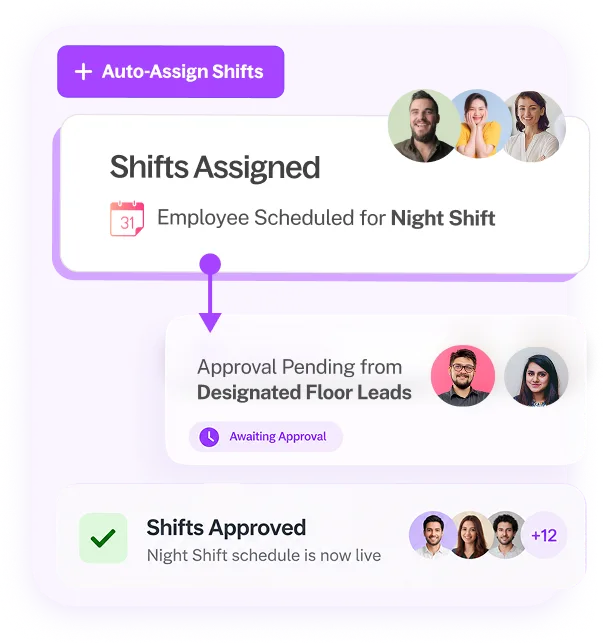
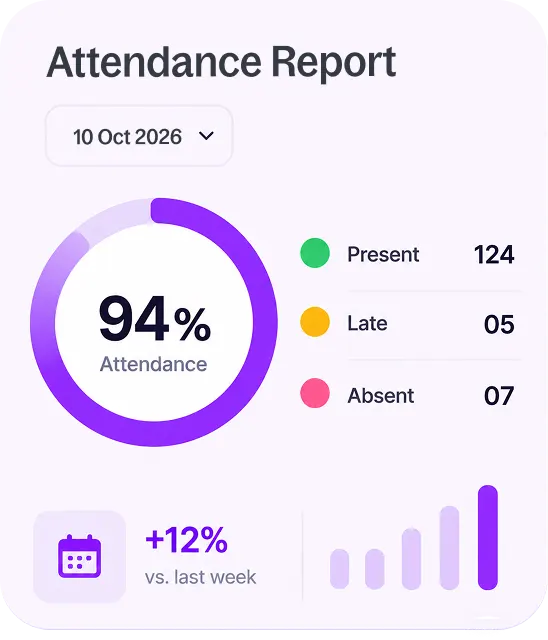
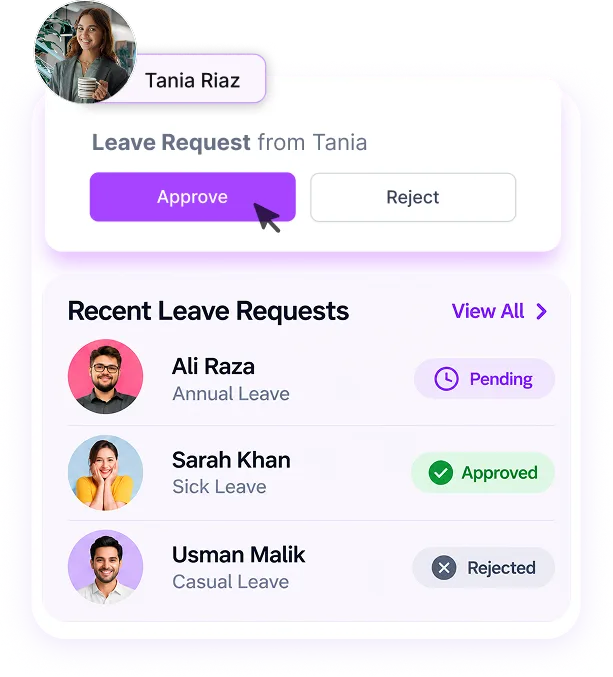
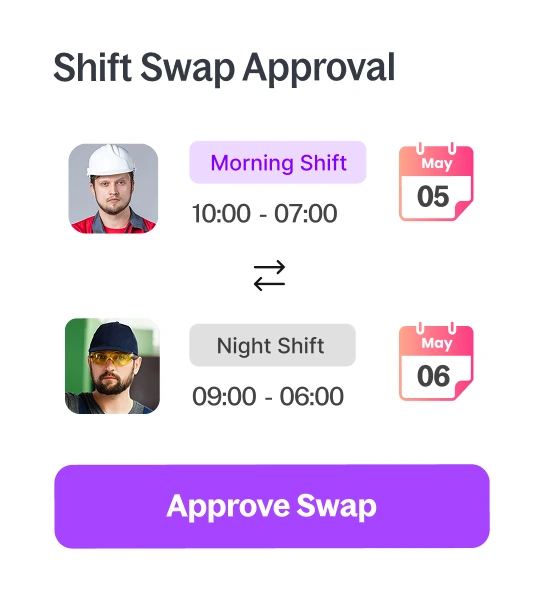
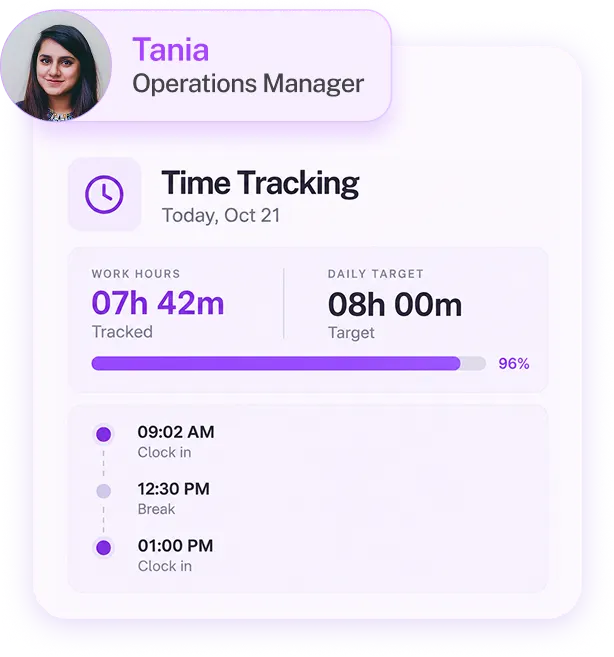
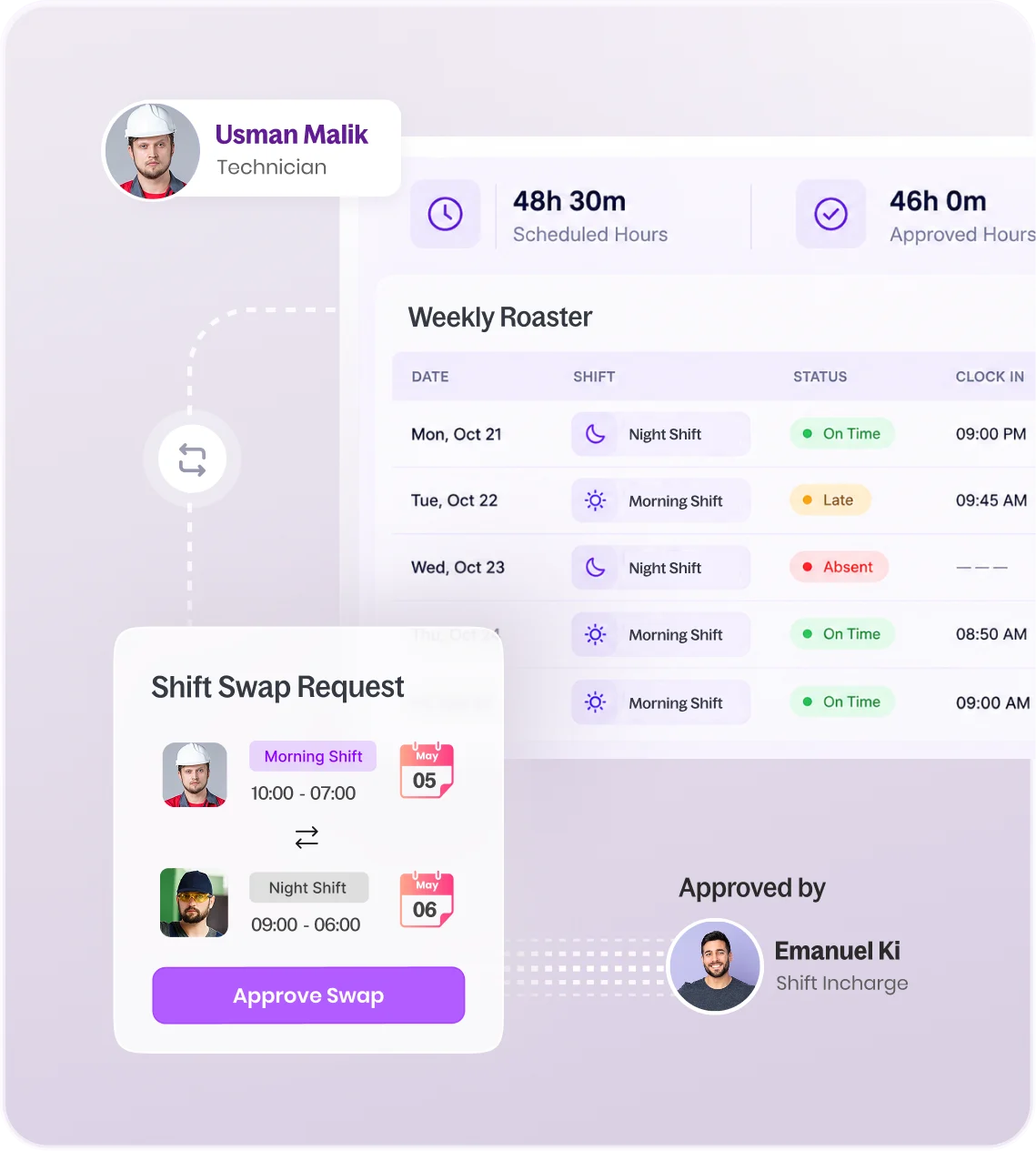
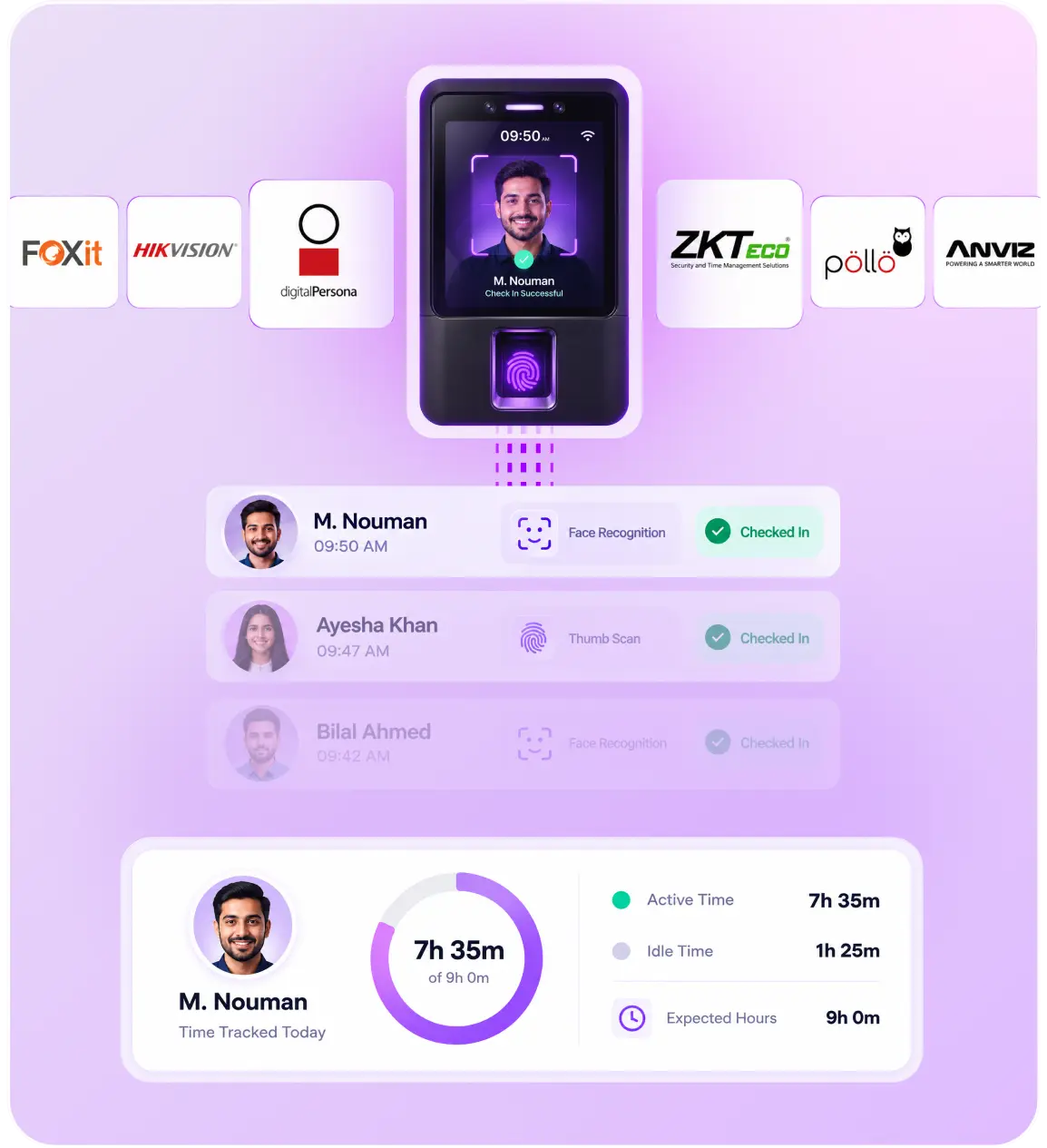
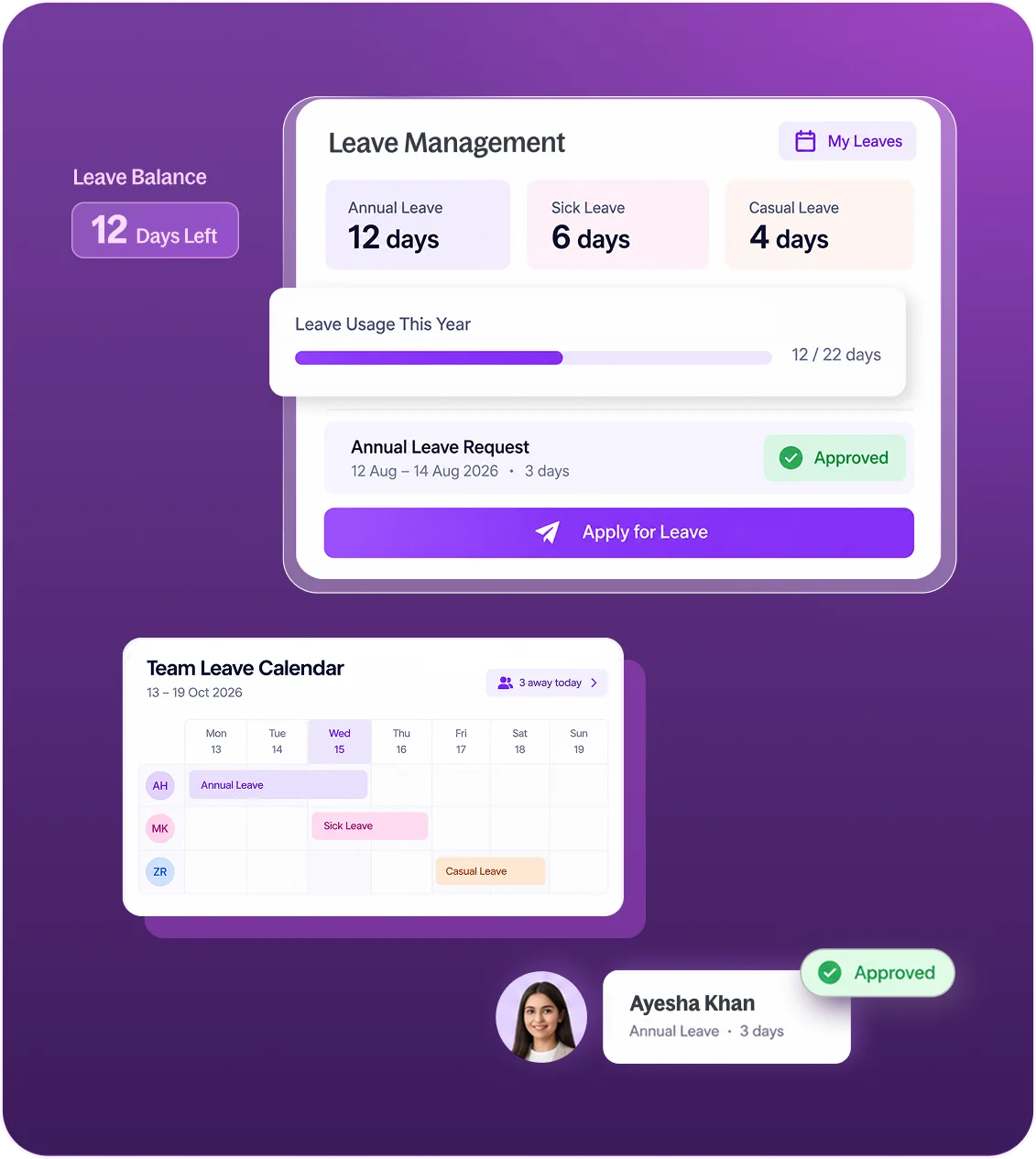
The workforce management system has three modules: Roster & Scheduling for shifts and rosters, Time & Attendance for check-ins and timesheets, and Leave Management for leave policies, balances and approvals. It connects to Payroll and Overtime in the Finance suite and to Analytics & Reporting in the Platform suite, so hours, absences and costs appear in one place.
Q4. Is there a workforce management app for employees?
Yes. The Resourceinn mobile app on iOS and Android puts workforce management in employees' pockets. Staff can check in, request leave and view their attendance from their phones, and managers can approve requests on the move. This matters most for field, shift and multi-site teams who rarely sit at a desk.
Q5. How much does workforce management software cost?
Most vendors charge per employee per month, and the price depends on headcount and which modules you switch on. A team that only needs attendance pays less than one running rosters, attendance and leave together. Ask about setup and training fees as well. Resourceinn's pricing page shows current plans, and a demo can scope the modules you need.
Q6. Do I need the whole suite, or can I start with one module?
You can start with one module. Many teams begin with Time & Attendance because it removes the most manual work, then add Roster & Scheduling and Leave Management. Each module reads the same employee record and policies, so adding one later needs no data migration and no new integration, and earlier attendance history carries straight over.
Q7.How does workforce management connect to payroll?
Approved attendance, leave and overtime flow into payroll automatically, so payroll is calculated from what actually happened rather than from re-typed timesheets. In Resourceinn both run on the same employee record, which removes the export and import step where errors usually creep in. Payroll teams then review exceptions instead of checking every line.
Q8. Can workforce management software enforce attendance and overtime rules?
Yes. You set rules once, such as shift timings, grace periods, leave entitlements and when overtime needs approval, and the system applies them to every employee. Late arrivals, missed punches and unapproved extra hours are flagged for managers to act on, so policy is applied the same way across teams and locations.
Q9. Which businesses need a workforce management platform?
Any business with shift work, hourly staff or several locations benefits from a workforce management platform, because schedules, attendance and leave change daily. Retail chains, restaurants, pharmaceutical companies and manufacturers are typical users. Office teams with flexible hours use it too, mainly for leave policies and attendance records that feed payroll without manual entry.
Q10. How is workforce management different from time and attendance?
Time and attendance records when people work. Workforce management covers the whole cycle: planning shifts in advance, recording attendance, handling leave and passing approved hours to payroll. Time and attendance is one part of workforce management, which is why Resourceinn offers it as a module inside the Workforce Management suite rather than as a separate product.